
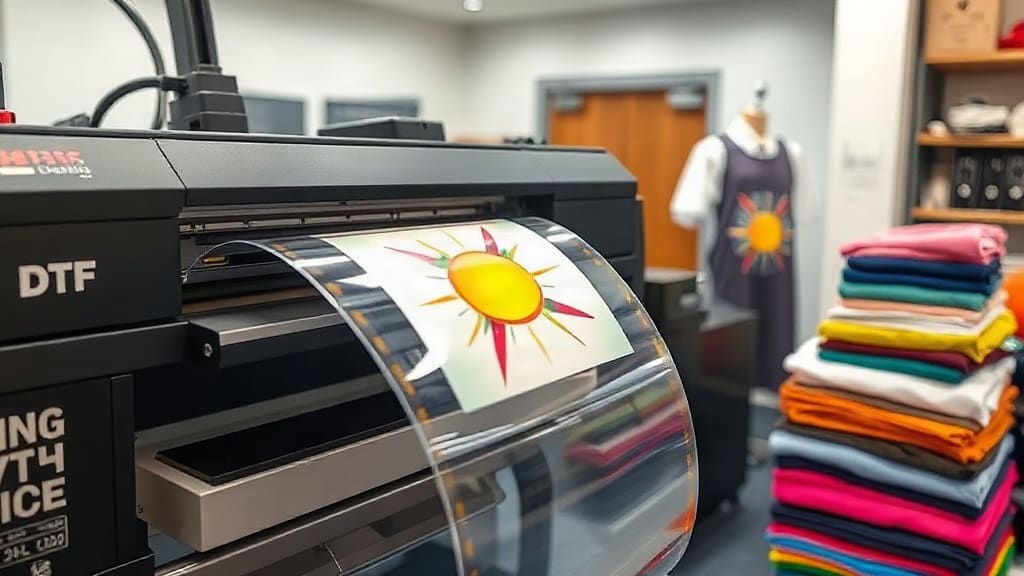
If you're searching for DTF printing services, you've probably realized that finding the right provider can make or break your project. Whether you're a small business owner creating custom apparel or a hobbyist wanting to personalize gifts, the quality of your DTF transfers depends heavily on the shop you choose. But with so many options, how do you find the best dtf transfers near me? This guide walks you through everything you need to know, from understanding the technology to evaluating local providers, so you can make an informed decision.
What is DTF Printing?
DTF, which stands for Direct to Film, is a printing method where designs are printed onto a special PET film using a specialized printer and then transferred onto fabric using a heat press. The process involves printing a design with white ink as a base, adding adhesive powder, curing it, and then pressing it onto the garment. This technique has gained popularity because it works on a wide range of fabrics, offers vibrant colors, and produces a soft hand feel.
Why Choose DTF Over Other Methods?
Compared to traditional screen printing, DTF offers more flexibility for small runs and complex designs. Unlike heat transfer vinyl, DTF allows for full-color gradients and photographic prints without the need for weeding. It also works well on polyester, cotton, and blends, making it a versatile choice for many products. For these reasons, many businesses are turning to DTF transfers for their apparel needs.
How to Find DTF Transfers Near Me
When you search for dtf transfers near me, you might get a long list of options, but not all are created equal. Here's a step-by-step approach to finding a reliable local provider.
1. Start with a Local Search
Use search engines with location-specific queries like "DTF printing in [your city]" or "DTF transfers near me." Also, check Google Maps, as it shows businesses near you with ratings and reviews. This initial list helps you narrow down candidates.
2. Check Online Reviews and Portfolios
Once you have a list, visit their websites and social media pages. Look for photo galleries of their work, especially close-ups of prints. Pay attention to details like color vibrancy, sharpness, and how well the design adheres to the fabric. Also, read reviews on platforms like Yelp, Google, and Facebook to gauge customer satisfaction.
3. Ask for Samples
A reputable shop will often provide samples or allow you to order a test transfer. This is crucial because you need to check the quality firsthand. Look for signs of cracking, peeling, or fading after washing. A sample run allows you to assess the printer's capability without committing to a large order.
4. Inquire About Equipment and Supplies
The quality of DTF transfers depends on the equipment used. Ask what type of printer they use, the brand of inks and films, and their experience. High-quality shops typically use advanced printers like the Epson SureColor F1070 or similar, along with quality UV-resistant inks and films. Also, ask about their curing process, as improper curing can lead to durability issues.
5. Evaluate Customer Service
Good communication is key. Reach out with questions about turnaround time, pricing, and minimum orders. A responsive and helpful team indicates they value their customers. If they are rude or dismissive before you even order, that's a red flag.
Key Factors to Consider
When comparing options, keep these factors in mind to ensure you get the best results.
Quality of Prints
Look for prints that are vibrant, detailed, and have a soft hand feel. The white ink layer should be solid, especially for dark garments, to prevent colors from looking dull. Also, check if the edges are clean and free from white outlines (a common issue with DTF).
Fabric Compatibility
While DTF works on many fabrics, some providers might not handle certain materials well. Ask about their experience with the fabric you plan to use. For example, stretchy fabrics like spandex may require special care to prevent cracking.
Pricing and Turnaround
Get quotes from multiple shops, but don't choose solely based on the lowest price. Extremely cheap transfers might use lower quality materials or rushed processes. Also, ask about turnaround time, especially if you have a deadline. A reliable shop should give you a realistic estimate.
Customization Options
If you need custom designs, ensure they offer full customization. Some shops may have restrictions on file formats or require you to use their design templates. Look for a provider that accepts various formats like PNG, JPEG, or AI and can handle complex art.
Benefits of Using Local DTF Transfer Services
Choosing a local provider for your DTF transfers offers several advantages beyond just convenience.
- Faster Turnaround: No shipping time means you get your transfers quicker, which is essential for last-minute orders.
- Personal Consultation: You can discuss your project in person, see samples, and get professional advice.
- Support Local Business: You contribute to your local economy and build a relationship with a nearby supplier.
- Easier Communication: If issues arise, you can directly address them, reducing misunderstandings.
Common Mistakes to Avoid
Even after finding a provider, you might make mistakes that affect the outcome. Here are some pitfalls to avoid.
Ignoring Prep Instructions
Each transfer comes with specific instructions for pressing, such as temperature, pressure, and time. Following them exactly is crucial for durability. Some people rush and use incorrect settings, leading to peeling or cracking.
Choosing the Wrong Fabric
While DTF is versatile, not all fabrics are ideal. For example, very rough textures like burlap might not adhere well. Always test a sample on the actual fabric you plan to use.
Overlooking Wash Care
To prolong the life of your DTF prints, advise your customers on proper washing. Generally, washing inside out in cold water and avoiding harsh detergents helps maintain quality.
DTF vs. Other Transfer Methods: A Quick Comparison
Understanding how DTF stacks up against other popular methods can help you decide if it's right for you.
| Method | Pros | Cons |
|---|---|---|
| DTF | Works on many fabrics, full color, stretchable, soft feel | Requires special equipment, need to powder and cure |
| Screen Printing | Cost-effective for bulk orders, durable | Setup costs high, limited colors per run, not for small quantities |
| Heat Transfer Vinyl | Easy for beginners, great for cut designs | Not suitable for full-color images, weeding time, can crack |
| Sublimation | Vibrant colors, permanent, no texture | Only works on polyester or light fabrics, requires special coating |
How to Prepare Your Artwork for DTF Transfers
To ensure the best results, your artwork should meet certain specifications. Most providers will guide you, but here are general tips.
Resolution and Size
Your design should be at least 300 DPI at the final print size. This ensures crisp details. If you're scaling up a small image, the quality may suffer, so it's better to start with a vector file if possible.
Color Mode
Use CMYK color mode for printing, as RGB can appear different when printed. Also, note that colors on your screen may not exactly match the print due to profile differences. Ask your provider for a color proof if color accuracy is critical.
File Format
Commonly accepted formats include PNG with transparent backgrounds, TIFF, or PDF. Avoid low-quality JPEGs as they may have artifacts. PNG is preferred because it supports transparency, which is essential for designs that aren't a solid rectangle.
Cost of DTF Transfers: What to Expect
Pricing for DTF transfers varies based on size, complexity, quantity, and supplier. Generally, you can expect to pay between $3 and $10 per transfer for small to medium designs when ordering in bulk. Single prints might cost more. Some providers offer discounts for larger orders, so it's worth asking about volume pricing.
Hidden Fees to Watch For
Ask about setup fees, color corrections, or rush charges. Some shops might charge extra for file preparation or detailed designs. Always ask for a full quote upfront to avoid surprises.
Case Study: How a Local Business Benefited from DTF Transfers
To illustrate the value of finding a good local provider, consider a small clothing brand that needed to produce custom t-shirts for a pop-up event. They searched for dtf transfers near me and found a nearby shop that offered quick turnaround. By ordering 200 DTF transfers, they saved on shipping and were able to press them themselves. The quality was excellent, and they received compliments on the vibrant colors and soft feel. This allowed them to fulfill their order on time and build customer trust.
Conclusion
Finding the best dtf transfers near me doesn't have to be overwhelming. By understanding the technology, knowing what to look for, and asking the right questions, you can secure a partner that delivers high-quality results. Remember to test samples, compare prices, and build a relationship with a provider who values your business. With the right approach, you'll be producing stunning apparel that stands out.
Frequently Asked Questions
How long do DTF transfers last on garments?
With proper care, DTF transfers can last as long as the fabric itself, typically over 50 washes. The durability depends on the quality of the transfer and the pressing process. Following the care instructions, such as washing inside out in cold water, will extend the life.
Can DTF transfers be used on dark colored shirts?
Yes, DTF transfers are excellent for dark fabrics because they include a white ink layer that makes colors pop. Ensure the provider prints a sufficient white base to prevent the dark fabric from showing through.
Do I need a heat press to apply DTF transfers?
Yes, you need a heat press that can reach the required temperature (usually around 300°F) and apply even pressure. While some people try using a home iron, it's not recommended because it doesn't provide consistent heat and pressure, leading to poor adhesion.
What is the minimum order quantity for DTF transfers?
Many local shops offer low minimums, sometimes as low as one piece, but pricing is more cost-effective with larger quantities. If you're just starting, look for providers that allow small test orders so you can assess quality without a big investment.
Can I get custom DTF transfers with my own design?
Absolutely. Custom designs are the norm for DTF transfers. You provide your artwork, and the shop prints it. Just ensure your file meets the technical requirements, and if you're unsure, ask for assistance.