
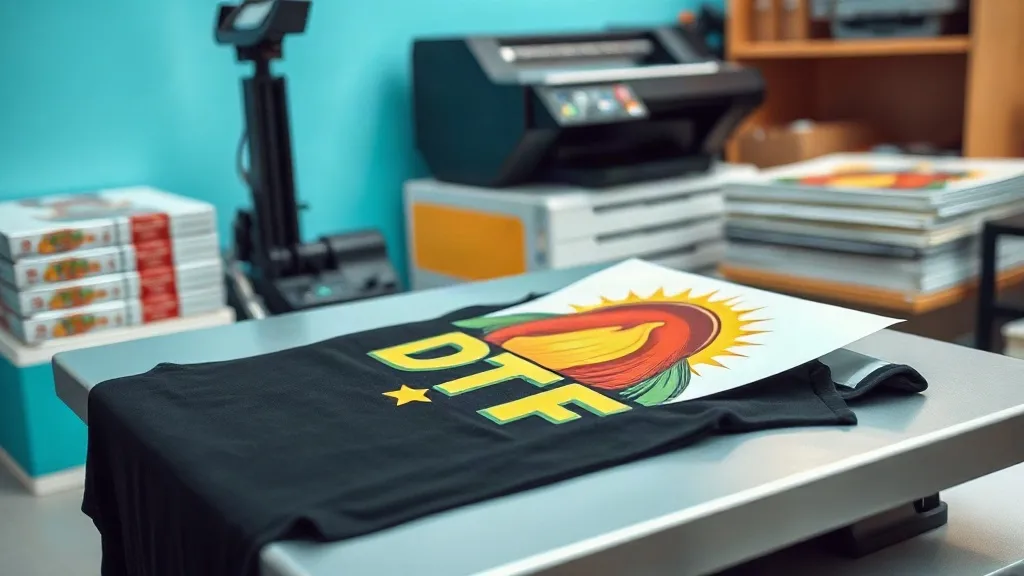
If you've been exploring custom apparel printing, you've likely encountered dtf transfers. This innovative technology is transforming how small businesses, hobbyists, and large manufacturers approach fabric printing. Unlike traditional methods, DTF (Direct to Film) offers unparalleled versatility, allowing you to print full-color designs on a wide range of fabrics with remarkable durability. In this guide, we'll walk you through the DTF process, its advantages, and how to get started with your own projects.
What Are DTF Transfers?
DTF transfers are printed designs on a special film that can be heat-pressed onto fabrics. The process involves printing your artwork onto a PET film using specialized dtf inks, then applying a adhesive powder, and finally transferring the design onto the garment with a heat press. This method eliminates the need for pre-treatment or weeding, making it a favorite among those who want quick, professional results.
How Does the DTF Printing Process Work?
Understanding the steps can help you appreciate the technology and achieve better results. Here's a breakdown of the DTF printing process:
- Design Preparation: Your artwork is prepared digitally, ensuring it's in the correct format and color mode (usually RGB).
- Printing: The design is printed onto a special film using DTF printers equipped with pigment-based inks. A white ink layer is often applied as a base to ensure opacity on dark fabrics.
- Powder Application: While the ink is still wet, a hot-melt adhesive powder is applied evenly over the printed area. Excess powder is shaken off.
- Curing: The film is then heated to melt the powder, creating a durable, flexible layer that will bond with the fabric.
- Heat Pressing: The cured film is placed on the garment and pressed with a heat press at a specific temperature and pressure. Once cooled, the film is peeled away, leaving the design behind.
Each step is crucial, but with practice, the process becomes second nature. Many suppliers offer pre-printed transfers, so you can skip the printing and powder steps and simply heat press the design onto your fabric.
Benefits of DTF Transfers
Why choose DTF over other printing methods? Here are some compelling reasons:
- Versatility: DTF works on almost any fabric, including cotton, polyester, blends, and even leather. No need to switch methods based on material.
- Vibrant Colors: DTF inks produce bright, detailed prints with excellent color accuracy, making them ideal for complex designs and photographs.
- Durability: When applied correctly, DTF transfers withstand repeated washing without fading, cracking, or peeling.
- Cost-Effective for Small Runs: Unlike screen printing, which requires setup costs for each color, DTF is economical for short runs and one-off designs.
- No Weeding: Say goodbye to the tedious process of weeding vinyl. DTF transfers come ready to press.
- Soft Feel: The prints have a soft hand feel, especially compared to vinyl or screen printing, and they stretch with the fabric.
DTF vs. Other Printing Methods
How does DTF stack up against screen printing, DTG, and vinyl? Let's compare:
DTF vs. Screen Printing
Screen printing is cost-effective for large orders but requires separate screens for each color, making it less flexible for complex designs. DTF excels in detailed, multi-color prints and small batches. However, screen printing can be more durable for very high-volume runs.
DTF vs. DTG (Direct to Garment)
DTG prints directly onto the fabric, which works best on 100% cotton. DTF, on the other hand, adheres to a wider range of materials and often produces more vibrant colors on dark fabrics. DTG may require pre-treatment, adding time and cost.
DTF vs. Vinyl
Vinyl is great for simple designs and personalization, but it can be bulky and less breathable. DTF offers a softer feel and unlimited color possibilities, making it superior for intricate artwork.
Choosing the Right DTF Transfers
When sourcing DTF transfers, quality matters. Look for suppliers who use high-quality inks and films to ensure vibrant colors and durability. If you're searching for dtf transfers near me, consider local suppliers for faster turnaround and personalized service. Online retailers also offer a wide range of options, often with quick shipping.
Check for compatibility with your heat press and fabric types. Some transfers are designed for specific materials, so read the specifications carefully. Additionally, consider the transfer size and whether you need custom sizing for your project.
Applications of DTF Transfers
DTF transfers are incredibly versatile. Here are some popular uses:
- Custom T-Shirts: Create personalized tees for events, teams, or businesses.
- Activewear: The stretchability of DTF prints makes them ideal for sportswear.
- Denim and Jackets: Add designs to denim jackets, jeans, and other heavy fabrics.
- Bags and Accessories: Personalize tote bags, backpacks, and more.
- Home Decor: Print on pillowcases, curtains, and other fabric items.
Tips for Successful DTF Heat Pressing
To achieve professional results, follow these best practices:
- Preheat the Fabric: Remove moisture and wrinkles with a quick press before applying the transfer.
- Use the Right Settings: Follow the transfer supplier's recommendations for temperature, pressure, and time. Typically, temperatures range from 300°F to 350°F (150°C to 175°C).
- Peel Cold: Most DTF transfers require cold peel for best results. Wait until the film cools completely before peeling.
- Post-Press: After peeling, press the design again with a protective sheet for a few seconds to enhance durability.
- Wash Inside Out: To prolong the life of the print, wash garments inside out in cold water and avoid harsh detergents.
Common Mistakes to Avoid
Even experienced users can make mistakes. Watch out for these pitfalls:
- Insufficient Pressure: Too little pressure results in poor adhesion. Ensure your heat press is properly calibrated.
- Overheating: Excessive heat can scorch the fabric or cause the transfer to yellow. Always use a heat-resistant sheet.
- Peeling Too Soon: Peeling while hot can distort the design. Patience is key.
- Ignoring Fabric Type: Some fabrics, like nylon, may require lower temperatures. Always test on a scrap piece first.
Frequently Asked Questions
How long do DTF transfers last?
With proper care, DTF transfers can last as long as the garment itself. They are resistant to fading, cracking, and peeling when applied correctly and washed inside out.
Can I use DTF transfers on dark colors?
Absolutely. DTF transfers include a white ink base that ensures vibrant colors on dark fabrics. This is one of the key advantages over other methods.
Do I need a special printer for DTF?
Yes, DTF printing requires a dedicated DTF printer and specialized inks. However, if you only need transfers, you can purchase pre-printed transfers from suppliers and use a standard heat press.
What fabrics work best with DTF?
DTF works on a wide range of fabrics, including cotton, polyester, blends, leather, and more. It's particularly effective on fabrics that are difficult to print with other methods.
Where can I find DTF transfers near me?
You can search online for local suppliers or check with printing shops in your area. Many online retailers also offer quick shipping, so you can get high-quality dtf transfers delivered to your door.
DTF transfers are a game-changer for custom apparel printing, offering flexibility, durability, and vibrant results. Whether you're a small business owner or a DIY enthusiast, incorporating DTF into your workflow can expand your creative possibilities. To explore high-quality DTF transfers and supplies, visit dtfprintup.com and discover how you can elevate your printing projects today.