
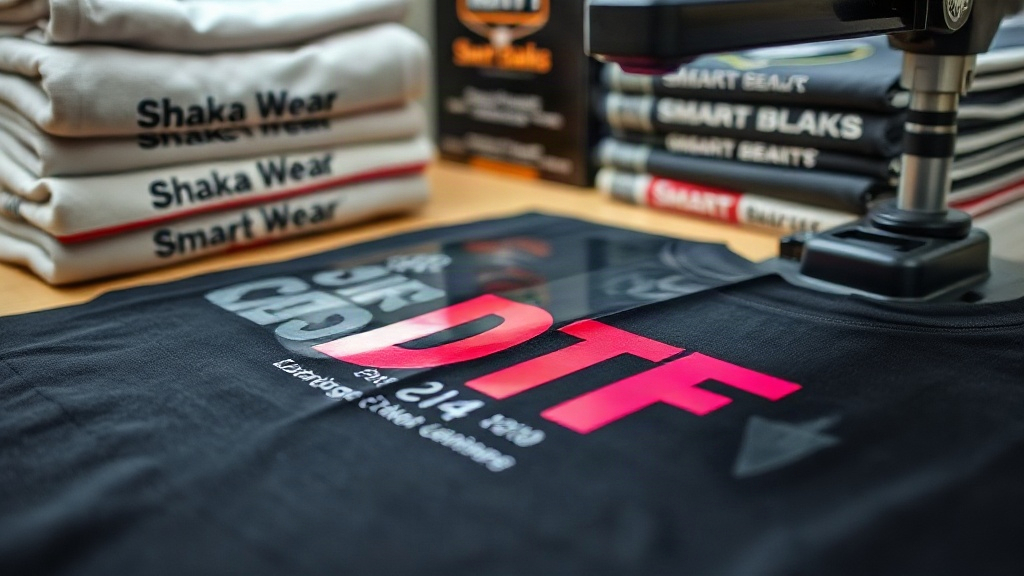
If you've been exploring custom apparel printing, you've likely encountered DTF transfers. This technology has rapidly become a favorite among print shops, small businesses, and hobbyists for its versatility and vibrant results. But what exactly makes DTF transfers stand out? In this guide, we'll dive deep into the world of DTF printing, compare it to other methods, and show you how to pair it with top-quality blanks like Shaka Wear and Smart Blanks to create apparel that customers love.
What Are DTF Transfers?
DTF stands for Direct to Film. Unlike DTG (Direct to Garment) printing, which prints directly onto the fabric, DTF transfers involve printing your design onto a special film, coating it with a powder adhesive, and then heat-pressing it onto the garment. This two-step process opens up a world of possibilities because it works on almost any fabric, including cotton, polyester, blends, and even nylon. The result is a soft, stretchable print that holds up wash after wash.
The DTF Printing Process Step by Step
Understanding the process helps you appreciate why DTF transfers deliver such consistent quality. Here's how it works:
- Design Preparation: Your artwork is prepared digitally, with colors separated and white ink layers defined for opacity.
- Printing: A specialized DTF printer lays down the design onto a PET film using CMYK and white inks.
- Powdering: While the ink is still wet, a hot-melt adhesive powder is applied evenly over the print.
- Curing: The film passes through a heat source to melt the powder, creating a dry, tacky surface.
- Transfer: The film is placed on the garment and heat-pressed, transferring the design permanently.
Each step is crucial, but the magic happens in the powdering and curing stages, which ensure the print adheres firmly and feels smooth.
Why Choose DTF Transfers Over Other Methods?
DTF transfers offer several advantages that make them a top choice for both small and large runs.
- Fabric Versatility: Unlike DTG, which requires 100% cotton for best results, DTF works on virtually any fabric, including polyester and blends.
- No Pretreatment: DTG often requires pre-treating the garment, which adds time and cost. DTF skips this step entirely.
- Vibrant Colors: DTF prints can achieve bright, opaque colors even on dark garments, thanks to the white ink base.
- Durability: When applied correctly, DTF transfers resist cracking, peeling, and fading, outlasting many other print types.
- Cost-Effective for Short Runs: Screen printing requires setup for each color, making short runs expensive. DTF is economical for small batches and one-offs.
- Stretch and Rebound: The print stretches with the fabric without distorting, ideal for performance wear.
These benefits explain why DTF transfers have become a go-to solution for custom t-shirts, hoodies, and more.
DTF vs. DTG vs. Screen Printing: A Quick Comparison
Let's break down how DTF stacks up against the two most common alternatives.
- DTG: Best for 100% cotton, detailed designs, and small runs. Requires pretreatment, can be less durable on polyester.
- Screen Printing: Ideal for large orders with few colors. High setup costs, limited to flat fabrics, but very durable.
- DTF: Works on almost any fabric, no pretreatment, vibrant on darks, great for short runs, and durable.
For businesses that need flexibility and quality, DTF transfers often come out on top.
Choosing the Right Blanks for DTF Transfers
The quality of your final product depends not just on the printing method but also on the garment itself. Not all blanks are created equal, and some are better suited for DTF transfers than others. Let's look at two standout brands: Shaka Wear and Smart Blanks.
Shaka Wear: Premium Quality for Streetwear and More
Shaka Wear has built a reputation for producing high-quality, heavyweight blanks that appeal to streetwear brands and custom printers alike. Their t-shirts, hoodies, and crewnecks are made from dense cotton and cotton blends that provide an excellent canvas for DTF transfers. The tight knit of their fabrics ensures that the transfer adheres smoothly without texture interference, resulting in a professional finish. Plus, their consistent sizing and durable construction mean your customers will enjoy a garment that looks great and lasts.
When using Shaka Wear blanks with DTF transfers, you'll notice the print sits beautifully on the surface, with minimal ink absorption into the fabric, which preserves color vibrancy. Whether you're printing bold graphics or detailed logos, Shaka Wear delivers.
Smart Blanks: Affordable and Reliable
For budget-conscious projects without sacrificing quality, Smart Blanks offers an excellent alternative. Their garments are soft, comfortable, and available in a wide range of colors and styles. Smart Blanks are particularly popular for promotional items and event merchandise because they provide a great value proposition. The fabric takes DTF transfers well, and the prints hold up nicely over time. If you're just starting out or need to fulfill a large order on a tight budget, Smart Blanks is a smart choice.
Pairing Smart Blanks with DTF transfers allows you to offer affordable custom apparel without compromising on print quality. The combination is a win-win for both you and your customers.
How to Apply DTF Transfers for Best Results
Getting a perfect DTF transfer requires attention to detail during application. Here are some best practices to follow:
- Preheat the Garment: This removes moisture and wrinkles, ensuring a smooth surface.
- Position the Transfer: Place the film with the printed side down on the garment.
- Heat Press Settings: Typically, 325°F (160°C) for 10-15 seconds with medium pressure. Always check the film manufacturer's recommendations.
- Peel Cool or Hot: Some films require peeling while hot, others when cool. Follow the instructions.
- Post-Press: For added durability, press again with a Teflon sheet for 5-10 seconds.
Following these steps will ensure your DTF transfers look professional and withstand repeated wear and washing.
Common Mistakes to Avoid with DTF Transfers
Even experienced printers can run into issues. Here are pitfalls to watch out for:
- Insufficient Pressure: Leads to poor adhesion and early peeling.
- Wrong Temperature: Too low, and the adhesive won't activate; too high, and the film may scorch.
- Not Preheating: Moisture in the fabric can cause the transfer to lift.
- Ignoring Fabric Type: While DTF works on many fabrics, some require adjusted settings (e.g., nylon needs lower temperature).
- Poor Quality Film: Cheap films can cause inconsistent results; invest in reputable supplies.
By avoiding these mistakes, you'll save time and materials while delivering superior products.
Frequently Asked Questions About DTF Transfers
How long do DTF transfers last on garments?
When applied correctly, DTF transfers can last as long as the garment itself. They resist cracking, peeling, and fading through dozens of washes. Proper care, such as washing inside out in cold water and avoiding harsh detergents, will extend the life of the print.
Can I use DTF transfers on 100% polyester?
Yes, DTF transfers work exceptionally well on polyester and polyester blends. In fact, they often outperform DTG on polyester because the transfer sits on top of the fabric rather than being absorbed, resulting in brighter colors and better durability.
Do I need special equipment to apply DTF transfers?
You'll need a heat press, but you don't need a DTF printer if you buy pre-printed transfers. Many suppliers offer custom DTF transfer services where you send them your design and receive ready-to-press films. This is ideal for those who want to offer DTF without the upfront investment in a printer.
Are DTF transfers safe for children's clothing?
Absolutely. DTF transfers are non-toxic and safe for all ages once applied. However, always ensure the transfer is properly adhered to prevent peeling, which could pose a choking hazard for very young children.
What fabrics are not suitable for DTF transfers?
DTF transfers adhere to most fabrics, but they may not work well on fabrics with heavy coatings, such as waterproof or highly textured materials. Also, fabrics with a very loose weave may require a lower temperature and pressure to avoid the transfer sinking into the gaps. Always test on a sample first.
Can I layer DTF transfers for multi-color designs?
Yes, you can layer DTF transfers, but it's generally not necessary because DTF printing can produce full-color designs in a single transfer. If you do layer, press each layer separately and ensure proper adhesion between layers.
With the right knowledge and materials, DTF transfers can elevate your custom apparel business. Whether you choose Shaka Wear for premium quality or Smart Blanks for affordability, combining these blanks with DTF transfers will help you deliver products that impress. Visit dtfprintup.com to explore our range of DTF transfer services and start your next project today.