
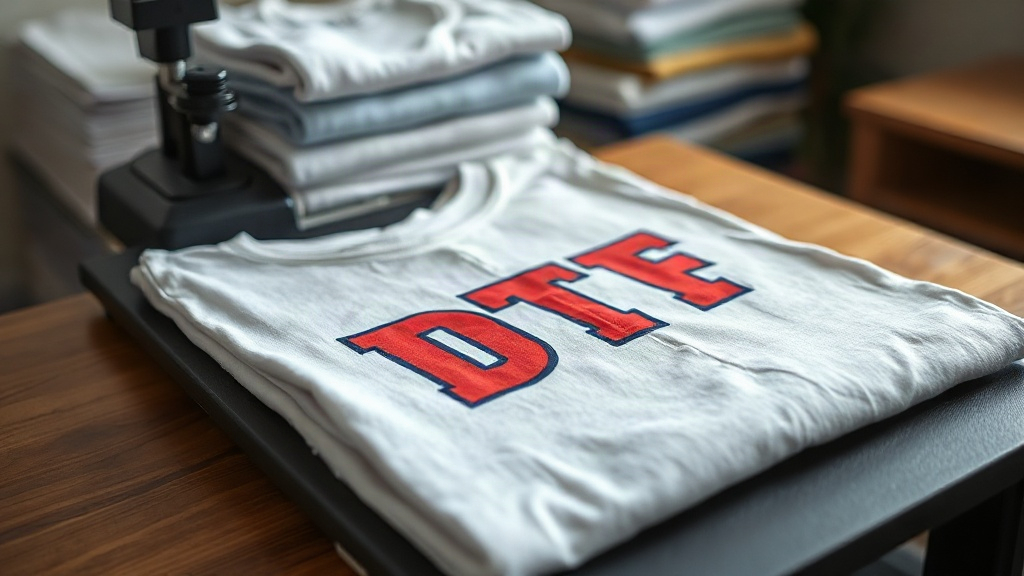
When you're creating custom apparel with DTF transfers, the blank you choose can make or break the final product. Not all fabrics play nicely with heat transfer printing, and even small differences in cotton content, weave, or finish can affect how well the design adheres, stretches, and survives repeated washes. In this guide, we'll explore how DTF transfers perform on two popular blank brands: Shaka Wear and Smart Blanks. Whether you're a seasoned decorator or just starting out, understanding these nuances will save you time, money, and frustration.
Why Blank Selection Matters for DTF Transfers
DTF (direct-to-film) printing has exploded in popularity because it works on a wide range of fabrics, including cotton, polyester, and blends. However, the quality of the final transfer depends heavily on the blank's characteristics. Factors like fabric composition, thread count, dye migration, and surface texture all influence how the ink sits on the garment and how long it lasts.
For example, a 100% cotton shirt provides a smooth, predictable surface that DTF transfers bond with beautifully. But a 50/50 blend might require lower pressing temperatures to avoid scorching, and certain dyes can bleed through the transfer over time. That's why knowing your blank is crucial.
Shaka Wear: Heavyweight Champion for DTF
Shaka Wear has built a reputation for producing heavyweight, durable garments that appeal to streetwear brands and customers who want a premium feel. Their tees, hoodies, and sweatshirts are often 100% cotton or high-cotton blends, which makes them an excellent canvas for DTF transfers.
Fabric Composition and DTF Compatibility
Most Shaka Wear t-shirts are made from 100% ring-spun cotton, with some styles featuring a cotton/polyester blend. The tight knit and smooth surface allow the transfer to sit flush against the fabric, resulting in vibrant colors and fine detail reproduction. Because the fabric is heavyweight (often 6.0 oz or more), it can withstand the heat and pressure of a commercial heat press without warping or scorching.
Best Practices for Pressing on Shaka Wear
- Temperature: Set your heat press to 325°F (160°C) for cotton styles. For blends, reduce to 300°F (150°C) to prevent dye migration.
- Pressure: Use medium to firm pressure (around 40-60 PSI) to ensure even adhesion.
- Time: Press for 15-20 seconds, then peel the film while it's still warm (warm peel) for best results.
- Pre-press: Always pre-press the garment for 5-10 seconds to remove moisture and wrinkles. This step is critical for Shaka Wear because their heavier fabrics can trap more moisture.
One thing to watch out for: if you're working with a Shaka Wear style that has a high polyester content (like their performance tees), you may need to use a lower temperature and a cover sheet to prevent the transfer from scorching or the dye from sublimating. Always test on a scrap piece first.
Smart Blanks: Affordable and Versatile for DTF
Smart Blanks is known for offering budget-friendly apparel that doesn't skimp on quality. Their garments are popular among small businesses, event organizers, and anyone looking to produce custom merch without breaking the bank. But how do they hold up with DTF transfers?
Fabric Options and DTF Performance
Smart Blanks carries a range of styles, from 100% cotton tees to poly-cotton blends and even tri-blends. Their cotton tees are soft and take DTF transfers well, though the lighter weight (often 4.5 oz) means you need to be gentle with pressing to avoid over-compressing the fabric. The blends, on the other hand, can be a bit trickier because polyester content can cause the transfer to appear less opaque or to crack over time if not applied correctly.
Tips for Successful DTF Transfers on Smart Blanks
- Temperature: For 100% cotton, use 325°F (160°C). For blends, lower to 300°F (150°C) and increase pressure slightly to compensate.
- Peel: Smart Blanks garments often work best with a cold peel (let the transfer cool completely before removing the film). This prevents the ink from stretching and helps it set properly.
- Wash Care: Advise your customers to wash inside out in cold water and tumble dry low. This extends the life of the transfer, especially on lighter-weight fabrics.
Because Smart Blanks are more affordable, they're a great choice for promotional items, giveaways, or sampling new designs. Just be aware that the lighter fabric may show more texture through the transfer, so simpler designs with bold colors tend to look best.
Comparing Shaka Wear and Smart Blanks for DTF Transfers
So which blank should you choose? It depends on your project goals and budget.
- Durability: Shaka Wear wins here. Their heavyweight fabrics hold up better to repeated washing and wear, making them ideal for premium retail products.
- Cost: Smart Blanks is more economical, perfect for large orders or test runs.
- Print Quality: Both can produce excellent results with DTF transfers, but Shaka Wear's tighter weave often yields sharper details.
- Fabric Variety: Smart Blanks offers more blend options, which can be a plus if you need performance fabrics.
Ultimately, the best blank is the one that matches your customer's needs and your production capabilities. Many decorators keep both on hand: Shaka Wear for high-end clients and Smart Blanks for budget-conscious projects.
Common Pitfalls and How to Avoid Them
Even with the right blank, DTF transfers can go wrong. Here are a few issues we've seen and how to fix them:
- Transfer peeling after wash: Usually caused by insufficient pressure or pressing time. Increase pressure and ensure you're pressing long enough.
- Cracking: Often due to over-stretching the garment during peeling or using too high a temperature. Follow the recommended settings and peel gently.
- Dye migration: When the garment's dye bleeds into the transfer, especially on polyester. Use a lower temperature and a quality DTF film designed for poly.
- Faded colors: Can happen if the transfer is under-pressed. Make sure your heat press is calibrated and apply even pressure.
Remember, every heat press is different, so always do a test run on a scrap garment before starting a big order.
Frequently Asked Questions
Can I use DTF transfers on Shaka Wear hoodies?
Absolutely. Shaka Wear hoodies are typically made from heavyweight cotton or cotton/poly fleece. The same principles apply: pre-press, use medium pressure, and press at 325°F for cotton or 300°F for blends. Because hoodies have seams and pockets, you may need a smaller heat press or a pressing pillow to get into tight areas.
Do Smart Blanks tri-blend shirts work with DTF transfers?
Yes, but they require extra care. Tri-blends contain polyester, rayon, and cotton, which can be sensitive to heat. Use a lower temperature (around 280-300°F), light pressure, and a cold peel. The transfer may have a slightly vintage, textured look due to the fabric's uneven surface, which some customers love.
How do I prevent DTF transfers from cracking on Shaka Wear?
Cracking usually happens when the transfer is stretched during peeling or when the garment is over-stretched during wear. To minimize cracking, ensure you're using the correct temperature and pressure, peel slowly, and advise customers to avoid excessive stretching when putting on or taking off the garment.
Which is better for DTF transfers: 100% cotton or a blend?
100% cotton is generally easier and produces more vibrant, durable results with DTF transfers. Blends can work well but may require adjustments in temperature and pressure. If you're new to DTF, start with 100% cotton blanks from Shaka Wear or Smart Blanks to build confidence.
How long do DTF transfers last on Smart Blanks?
With proper application and care, DTF transfers on Smart Blanks can last 50+ washes. The key is to follow the pressing instructions and educate your customers on proper washing: inside out, cold water, no bleach, and low tumble dry. Avoid ironing directly on the transfer.
Final Thoughts
Choosing the right blank for DTF transfers is a blend of art and science. Shaka Wear offers premium, durable options for high-quality retail products, while Smart Blanks provides cost-effective solutions for promotional and budget-friendly projects. By understanding the characteristics of each and following best practices for heat pressing, you can achieve professional results that delight your customers and stand the test of time.
At dtfprintup.com, we're here to support your DTF journey with high-quality transfers and expert advice. Whether you're printing on Shaka Wear or Smart Blanks, we've got you covered.