If you've been exploring custom apparel printing, you've likely encountered dtf transfers. This innovative technology has rapidly gained popularity among print shops, hobbyists, and fashion brands alike. But what exactly makes DTF transfers stand out, and how can you ensure you're getting the best results? In this guide, we'll dive deep into the world of DTF printing, covering everything from the basics to advanced application techniques.
What Are DTF Transfers?
DTF stands for Direct-to-Film. It's a printing method where your design is printed onto a special PET film, then coated with a hot-melt adhesive powder. Once the powder is cured, the transfer is ready to be applied to fabric using a heat press. Unlike DTG (Direct-to-Garment) printing, which requires the garment to be pre-treated and printed directly, DTF transfers are pre-printed and can be stored until needed. This makes them incredibly versatile and convenient for small businesses and on-demand printing.
The DTF Printing Process
The process begins with designing your artwork and printing it onto the film using a DTF printer equipped with pigment inks. After printing, the film is dusted with adhesive powder, which is then melted into the ink using a heat source. This step is crucial because it creates the bond between the ink and the fabric. Once cooled, the transfer can be applied to a wide range of materials, including cotton, polyester, blends, and even some synthetics.
Why Choose DTF Transfers?
There are several reasons why dtf transfers have become a go-to solution for many in the industry. First, they offer excellent durability. When applied correctly, DTF prints can withstand numerous washes without fading, cracking, or peeling. Second, they work on almost any fabric, including dark colors and synthetic materials, which can be challenging for other printing methods. Third, DTF transfers allow for high levels of detail and vibrant colors, making them ideal for complex designs and photo-realistic images.
Versatility Across Fabrics
One of the biggest advantages of DTF transfers is their ability to adhere to a wide variety of fabrics. Whether you're printing on 100% cotton t-shirts, polyester sports jerseys, or cotton-poly blends, DTF transfers deliver consistent results. This versatility opens up endless possibilities for customization, from corporate uniforms to personalized gifts.
Cost-Effectiveness for Small Businesses
For small print shops or startups, DTF transfers are a cost-effective alternative to investing in a DTG printer or screen printing setup. You can order transfers in small batches or even single units, reducing waste and upfront costs. Plus, since the transfers are pre-printed, you can offer quick turnaround times without compromising on quality.
Choosing the Right DTF Transfers
Not all DTF transfers are created equal. The quality of the film, ink, and adhesive powder plays a significant role in the final outcome. When sourcing DTF transfers, consider the following factors:
- Film quality: Look for films that are designed for DTF printing, as they have the right coating to hold the ink and release properly.
- Ink type: High-quality pigment inks ensure vibrant colors and good wash fastness.
- Adhesive powder: The powder should be fine and evenly applied to prevent clumping and ensure a smooth finish.
- Supplier reputation: Choose a reputable supplier who specializes in DTF transfers and can provide consistent quality.
If you're searching for dtf transfers near me, you might find local options, but online suppliers often offer a wider range and competitive pricing. Always request samples before committing to a large order to ensure the transfers meet your standards.
How to Apply DTF Transfers for Best Results
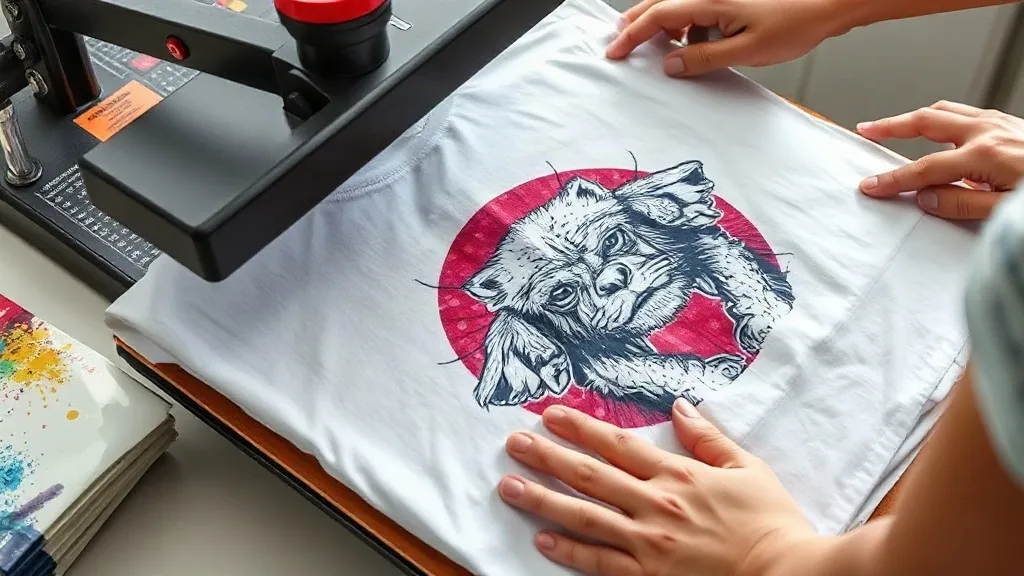
Proper application is key to achieving a durable, professional-looking print. Here's a step-by-step guide to applying DTF transfers:
- Preheat your heat press to the recommended temperature (usually around 300°F to 320°F).
- Pre-press the garment for a few seconds to remove moisture and wrinkles.
- Place the transfer onto the garment with the printed side facing up.
- Press with medium to firm pressure for 10-15 seconds.
- Peel the film while it's still hot or cold, depending on the film type. Most DTF films are cold peel, but always check the instructions.
- Post-press for an additional 5-10 seconds to ensure the adhesive fully bonds with the fabric.
Following these steps will help you avoid common issues like poor adhesion, uneven colors, or premature peeling.
Common Mistakes to Avoid with DTF Transfers
Even experienced printers can run into problems with DTF transfers. Here are some pitfalls to watch out for:
- Insufficient pressure: If the pressure is too light, the transfer won't adhere properly. Make sure your heat press is calibrated.
- Wrong temperature: Too hot and the film may scorch; too cold and the adhesive won't melt. Always use a temperature gun to verify.
- Peeling too soon or too late: Follow the film manufacturer's instructions for hot vs. cold peel.
- Not pre-pressing: Skipping pre-pressing can lead to moisture trapped between the transfer and fabric, causing bubbling.
- Using low-quality transfers: Cheap transfers may have inconsistent powder application or poor ink quality, leading to unsatisfactory results.
DTF Transfers vs. Other Printing Methods
How do DTF transfers stack up against other popular printing techniques? Let's compare:
DTF vs. DTG
DTG printing directly applies ink to the garment, which can result in softer prints but often requires pre-treatment and is limited to cotton fabrics. DTF transfers, on the other hand, work on a wider range of materials and don't require pre-treatment, making them more versatile. However, DTF prints may have a slightly thicker feel due to the adhesive layer.
DTF vs. Screen Printing
Screen printing is cost-effective for large orders but has high setup costs and is impractical for small batches or complex designs with many colors. DTF transfers are ideal for small to medium runs and can reproduce intricate details without extra cost. They also allow for quick turnaround and easy customization.
DTF vs. Vinyl
Heat transfer vinyl (HTV) is great for simple designs but can be time-consuming to weed and apply, especially for multi-color designs. DTF transfers eliminate the weeding process and can handle full-color designs with ease, making them more efficient for complex artwork.
Where to Buy DTF Transfers
When it comes to purchasing dtf transfers, quality and reliability are paramount. At dtfprintup.com, we specialize in providing high-quality DTF transfers that meet the demands of professionals and hobbyists alike. Our transfers are printed with premium inks and films, ensuring vibrant colors and exceptional durability. Whether you need a single custom transfer or a bulk order, we've got you covered. Visit our website to explore our range and place your order today.
Frequently Asked Questions
How long do DTF transfers last?
With proper application and care, DTF transfers can last as long as the garment itself. They are resistant to fading, cracking, and peeling, even after multiple washes. To maximize longevity, wash garments inside out in cold water and avoid tumble drying on high heat.
Can DTF transfers be applied to dark fabrics?
Yes, DTF transfers work exceptionally well on dark fabrics. The white ink layer in the transfer provides a bright base that makes colors pop, unlike DTG printing which may require a white underbase.
Do I need special equipment to apply DTF transfers?
A heat press is essential for applying DTF transfers. You don't need a DTF printer unless you plan to produce your own transfers. For application, a standard heat press with accurate temperature and pressure control will suffice.
Are DTF transfers washable?
Absolutely. DTF transfers are highly washable when applied correctly. Wait at least 24 hours after application before washing, and follow the care instructions provided with your transfers.
Can I layer DTF transfers?
Yes, you can layer DTF transfers to create multi-color designs. Apply each transfer separately, pressing each one before adding the next. This technique allows for complex, layered artwork without the need for multiple screens or vinyl colors.