
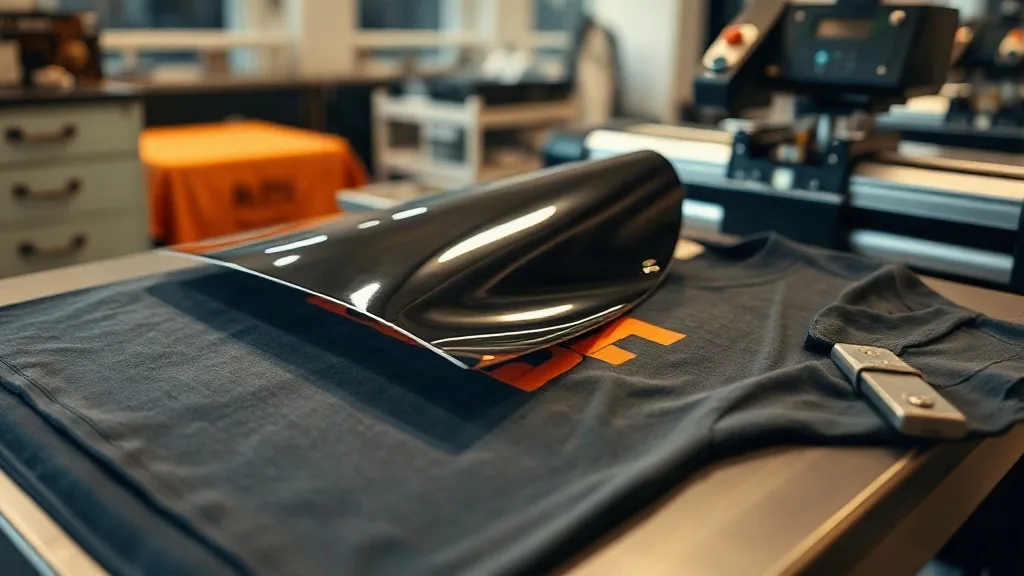
If you have been exploring custom apparel decoration lately, you have likely encountered the term dtf printing. This innovative method is quickly becoming a favorite among small business owners, hobbyists, and large-scale manufacturers alike. Unlike traditional screen printing or vinyl cutting, DTF printing offers a unique combination of flexibility, durability, and vibrant color reproduction that works on almost any fabric. In this guide, we will dive deep into what DTF printing is, how it works, and why dtf transfers might be the perfect solution for your next project.
What Is DTF Printing?
DTF stands for Direct to Film. It is a printing technology where your design is printed onto a special PET film using water-based pigment inks. After printing, a hot-melt adhesive powder is applied to the wet ink, and the film is cured. The resulting transfer can then be applied to garments using a heat press. The magic of DTF is that it does not require pre-treatment of the fabric, and it works on cotton, polyester, blends, and even nylon. This versatility sets it apart from DTG (Direct to Garment) printing, which often struggles with synthetic materials.
How DTF Transfers Are Made
Creating a DTF transfer involves several precise steps. First, your artwork is prepared in a RIP software, which mirrors the image and manages color profiles. The printer then lays down a layer of white ink followed by CMYK colors. While the ink is still wet, a powdered adhesive is sprinkled over the design. Excess powder is shaken off, and the film goes through a curing oven or heat press to melt the adhesive. The final transfer is ready to be stored or applied immediately.
Step-by-Step Process
- Design Preparation: Ensure your artwork is high resolution and mirrored.
- Printing: Use a DTF printer with pigment inks to print onto PET film.
- Powder Application: Apply hot-melt adhesive powder evenly over the wet print.
- Curing: Heat the film to melt the powder, creating a dry, tack-free surface.
- Transfer: Heat press the film onto your garment, then peel off the film while hot or cold.
Why Choose DTF Transfers?
There are many reasons why DTF transfers have gained massive popularity. For starters, they eliminate the need for weeding, which is a huge time-saver compared to vinyl. They also produce incredibly soft prints that stretch with the fabric without cracking. The color vibrancy is exceptional, and because white ink is used as a base, you can print bright designs on dark garments without a separate white underbase. Additionally, DTF transfers are cost-effective for short runs, making them ideal for small businesses that offer personalized products.
Versatility Across Fabrics
One of the biggest advantages is that DTF works on a wide range of materials. Whether you are decorating t-shirts, hoodies, tote bags, or even denim jackets, DTF transfers adhere reliably. This opens up possibilities for niche markets like athletic wear, where polyester dominates, or corporate apparel that requires a professional finish.
DTF vs Other Printing Methods
How does DTF compare to screen printing, DTG, and vinyl? Screen printing is cost-effective for large orders but requires setup and is limited in color complexity. DTG is great for cotton but often needs pre-treatment and can have a muted look on dark colors. Vinyl is durable but limited in detail and requires weeding. DTF strikes a balance: it handles intricate designs, works on many fabrics, and requires no pre-treatment. It is also more durable than DTG in many cases, with prints lasting 50+ washes when applied correctly.
Applications of DTF Printing
DTF printing is used in a variety of industries. Custom t-shirt shops use it for on-demand orders. Sports teams use it for jerseys with names and numbers. Fashion brands use it for limited edition drops. Even promotional product companies use DTF transfers for branded merchandise. The technology is also popular for personalizing gifts, such as baby onesies or pet bandanas.
Common Products Decorated with DTF
- T-shirts and tank tops
- Hoodies and sweatshirts
- Denim jackets and jeans
- Canvas bags and backpacks
- Aprons and uniforms
- Pet clothing and accessories
Getting Started with DTF Printing
If you are ready to dive into DTF, you will need a few key pieces of equipment. A DTF printer is the core investment; these range from desktop models to industrial machines. You will also need a heat press capable of reaching 325°F (160°C) and applying consistent pressure. Other supplies include PET film, DTF ink, adhesive powder, and curing oven (optional but recommended for efficiency). Many suppliers offer starter kits that bundle everything you need.
Tips for Successful DTF Transfers
To get the best results, follow these tips: always mirror your design before printing, use high-quality film and powder, cure the powder properly to avoid clogging, and store transfers in a cool, dry place. When pressing, preheat the garment to remove moisture, use medium pressure, and peel the film either hot or cold depending on the adhesive type. Practice on scrap fabric to dial in your settings.
Common Mistakes to Avoid
Beginners often make mistakes that lead to poor adhesion or faded prints. Over-curing the powder can make it brittle, while under-curing causes the transfer to peel. Using too much powder creates a rough texture. Not preheating the garment can trap moisture and cause bubbles. Also, avoid stretching the garment when pressing, as this can distort the design. By paying attention to these details, you can achieve professional-looking results every time.
Frequently Asked Questions
How long do DTF transfers last?
When applied correctly, DTF transfers can last over 50 washes. The key is proper curing and following the heat press instructions. Avoid washing with harsh chemicals or high heat, and turn the garment inside out to protect the print.
Can I use DTF on 100% polyester?
Yes, DTF works exceptionally well on polyester. The low-temperature application and flexible adhesive prevent the dye migration issues common with other methods. It is a top choice for athletic wear.
Do I need a special printer for DTF?
You need a DTF printer that uses pigment inks and supports white ink. Converted inkjet printers can work, but dedicated DTF printers offer better reliability and print quality. They are available in various sizes to fit different budgets.
What is the difference between DTF and DTG?
DTF involves printing on film and transferring to fabric, while DTG prints directly onto the garment. DTF works on more fabrics and doesn't require pre-treatment, but DTG can be more cost-effective for 100% cotton in high volumes.
How do I store DTF transfers?
Store them in a cool, dry place away from direct sunlight. Keep them in a sealed bag or container to prevent dust and moisture. Properly stored transfers can last for months.
DTF printing is a game-changer for anyone in the custom apparel industry. Its versatility, durability, and ease of use make it an attractive option for both beginners and professionals. Whether you are looking to expand your product offerings or simply create unique designs for personal use, DTF transfers provide a reliable and high-quality solution. With the right equipment and a bit of practice, you can unlock endless creative possibilities.