
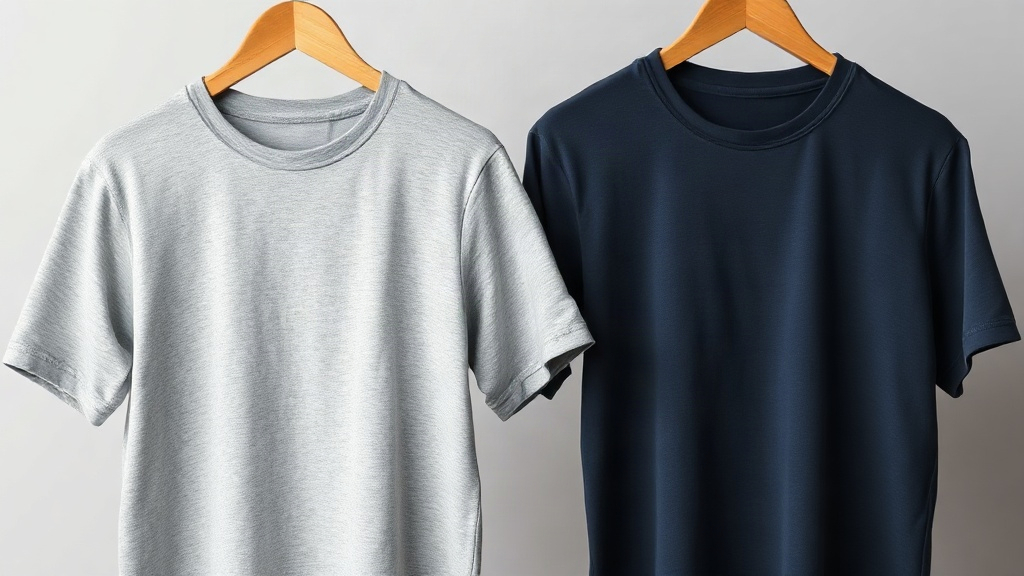
If you're in the custom apparel business, you already know that the quality of your blank garment can make or break the final product. With the rise of DTF transfers, choosing the right base has become even more critical. Two names that frequently come up in supplier discussions are Smart Blanks and Shaka Wear. Both have loyal followings, but they serve different needs. In this article, we'll break down what sets them apart so you can make an informed decision for your shop.
Why the Blank Matters for DTF Transfers
DTF transfers have revolutionized the way small and large shops approach custom apparel. Unlike screen printing or vinyl, DTF allows for full-color, high-detail designs without the setup costs. But the transfer is only as good as the surface it adheres to. A blank with inconsistent weave, poor dye absorption, or excessive sizing can lead to cracking, fading, or a stiff feel. That's why seasoned printers are picky about their blanks.
When evaluating a blank for DTF, consider these factors:
- Fabric content: 100% cotton is the gold standard for DTF, but blends can work if the polyester content is low.
- Weave and finish: A tight, smooth weave ensures the transfer adheres evenly.
- Weight: Heavier garments (5.5 oz and up) tend to hold up better over time.
- Shrinkage: Pre-shrunk blanks reduce surprises after the first wash.
- Colorfastness: You don't want the shirt's dye bleeding into your design.
Smart Blanks: The Budget-Friendly Workhorse
Smart Blanks has carved out a niche as a reliable, affordable option for everyday printing. Their tees are popular among startups and high-volume shops that need to keep costs down without sacrificing too much quality. Here's what you should know:
Fabric and Construction
Most Smart Blanks tees are made from 100% cotton, with a weight around 5.3 oz. The fabric is ring-spun, which gives it a softer hand than standard carded cotton. The construction is solid for the price point, though some users report slight inconsistencies in sizing from batch to batch. For DTF, the surface is generally smooth enough to accept transfers well, but you may need to adjust your press settings slightly.
Pros of Smart Blanks for DTF
- Very cost-effective, especially for bulk orders.
- Wide range of colors and sizes, including youth and tall.
- Soft enough for retail-quality feel after a few washes.
- Good availability from major distributors.
Cons of Smart Blanks for DTF
- Occasional quality control issues (loose threads, uneven hems).
- Not as durable as premium brands after repeated washing.
- Some colors may fade faster, affecting the vibrancy of your DTF design.
Shaka Wear: The Heavyweight Champion
Shaka Wear has built a reputation for heavyweight, durable garments that appeal to streetwear brands and customers who want a premium feel. Their tees are often in the 6.0 oz to 7.0 oz range, making them a favorite for those who want a substantial shirt that lasts. Here's the breakdown:
Fabric and Construction
Shaka Wear uses 100% cotton in most of their styles, with some blends available. The fabric is tightly knit, which provides an excellent canvas for DTF transfers. The heavier weight means less chance of the transfer distorting during pressing, and the shirts hold their shape well over time. The brand is known for consistent sizing and minimal shrinkage.
Pros of Shaka Wear for DTF
- Premium feel and durability, ideal for retail and streetwear.
- Excellent colorfastness; designs stay vibrant after many washes.
- Consistent sizing and quality control.
- Heavyweight fabric provides a smooth, stable surface for DTF.
Cons of Shaka Wear for DTF
- Higher price point, which can cut into margins.
- Limited color options compared to budget brands.
- Heavier shirts may not appeal to customers in warm climates.
Head-to-Head Comparison: Smart Blanks vs Shaka Wear for DTF
Let's put them side by side on the factors that matter most for DTF printing.
1. DTF Adhesion and Durability
Shaka Wear wins here. The tighter weave and heavier weight create a more stable surface, reducing the risk of the transfer peeling or cracking. Smart Blanks can work well, but you may need to experiment with pressure and temperature to get consistent results.
2. Cost-Effectiveness
Smart Blanks is the clear winner for budget-conscious shops. If you're printing in high volume for events or promotional items where price is a key factor, Smart Blanks offers a better bottom line.
3. Customer Perception
If your brand is positioned as premium or you're targeting streetwear enthusiasts, Shaka Wear delivers a feel and weight that customers associate with quality. Smart Blanks is more of an everyday option that gets the job done without fanfare.
4. Availability and Selection
Smart Blanks typically has a wider range of colors and sizes readily available. Shaka Wear focuses on core colors, but their inventory is usually consistent.
Practical Tips for Using DTF Transfers with These Blanks
No matter which blank you choose, following best practices will ensure your DTF transfers look professional and last.
- Pre-press the garment: This removes moisture and wrinkles, creating a smooth surface.
- Use the right pressure: Medium to firm pressure is usually best. Too little and the transfer won't adhere; too much and you risk flattening the fabric.
- Temperature matters: Most DTF transfers require 325°F for 15-20 seconds. Always check the transfer supplier's recommendations.
- Peel cool: Wait until the transfer is completely cool before peeling the film. This prevents stretching and ensures clean edges.
- Post-press: A quick second press with a cover sheet can improve durability.
For Smart Blanks, you might need to adjust pressure slightly higher due to the softer fabric. With Shaka Wear, standard settings often work perfectly.
Which One Should You Choose?
There's no one-size-fits-all answer. Your choice depends on your target market, budget, and the type of designs you're printing.
- Choose Smart Blanks if you need affordable, decent-quality blanks for high-volume orders, promotional items, or entry-level products.
- Choose Shaka Wear if you're building a premium brand, need maximum durability, or want a blank that enhances the perceived value of your DTF designs.
Many successful shops keep both on hand, using Smart Blanks for budget-conscious clients and Shaka Wear for premium lines. That way, you can offer options without compromising on quality.
Frequently Asked Questions
Can I use DTF transfers on both Smart Blanks and Shaka Wear?
Yes, both brands are compatible with DTF transfers. However, you may need to tweak your press settings for optimal results, especially with Smart Blanks, which has a slightly softer hand.
Which brand holds up better after multiple washes?
Shaka Wear generally outperforms Smart Blanks in longevity due to its heavier weight and tighter weave. DTF designs on Shaka Wear tend to stay vibrant and intact for longer.
Are there any DTF-specific issues with these blanks?
With Smart Blanks, some users report slight unevenness in the fabric that can cause minor transfer imperfections. Shaka Wear is more consistent, but always test a sample before a large run.
What's the price difference between the two?
Smart Blanks is typically 20-30% cheaper than Shaka Wear, depending on the style and quantity. That difference can add up quickly on large orders.
Can I mix these blanks in the same order?
Absolutely. Many shops offer both as options to cater to different customer preferences. Just be sure to label them clearly if you're fulfilling orders.
Final Thoughts
Selecting the right blank for your DTF transfers is a strategic decision that impacts your product's quality, your brand's reputation, and your bottom line. Smart Blanks and Shaka Wear both have their strengths, and understanding them empowers you to make the best choice for each project. Whether you prioritize affordability or premium quality, there's a blank that fits your needs. And when you're ready to elevate your designs, high-quality DTF transfers from trusted suppliers like dtfprintup.com can help you achieve stunning results.