
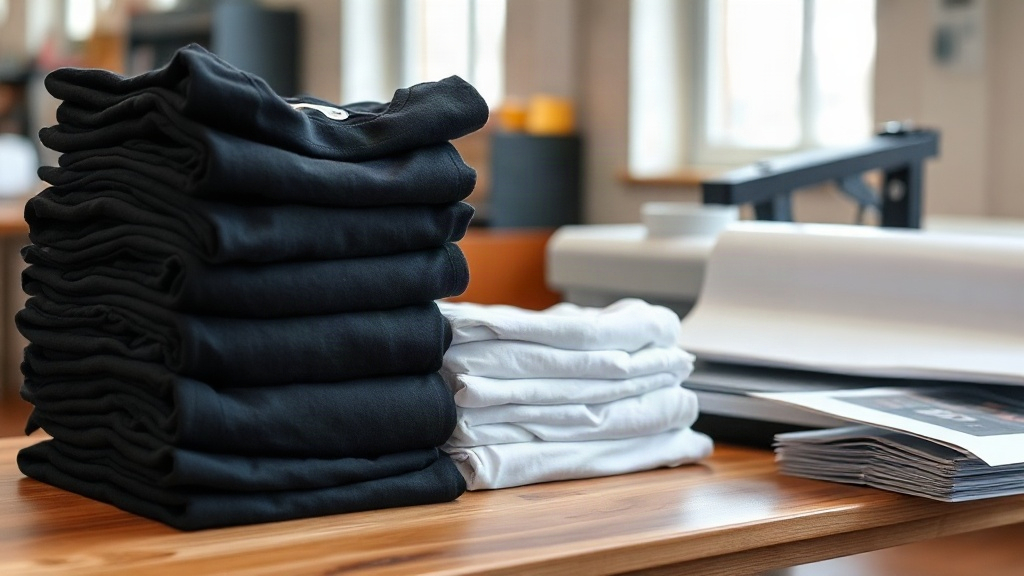
When I first started offering DTF transfers in my small print shop, I made the classic mistake: I grabbed whatever blank tees were on sale and assumed they would all work the same. The results were frustrating. Some transfers peeled after one wash, others looked faded right out of the press, and a few garments felt stiff and uncomfortable. After wasting dozens of shirts and countless hours, I learned that the blank you choose matters just as much as the transfer itself. That is when I discovered Smart Blanks and Shaka Wear. These two brands have become the backbone of my DTF operation, and in this post I will share why they work so well, how to pair them with DTF transfers, and the practical lessons I have picked up along the way.
Why Your Blank Choice Makes or Breaks DTF Transfers
DTF transfers are not picky in the same way as screen printing or vinyl, but they do have specific requirements. The adhesive powder on a DTF film needs to melt and bond with the fabric fibers. If the fabric has a heavy weave, a slick finish, or too much stretch, that bond can fail. I have seen transfers crack along the edges of cheap blanks and lift entirely from garments with high synthetic content. On the other hand, a well-made ring-spun cotton or a cotton-poly blend with a smooth surface gives the adhesive something to grab onto, resulting in a soft, durable print that survives dozens of wash cycles.
Beyond adhesion, the blank affects the final feel. A heavyweight, rough fabric can make even a thin DTF transfer feel like a plastic patch. A soft, pliable blank lets the transfer move with the garment, so the print does not crack when the wearer moves. That is why I now keep a strict inventory of blanks that I know perform well with DTF transfers. Two names that consistently deliver are Smart Blanks and Shaka Wear.
Smart Blanks: The Underrated Workhorse
Smart Blanks might not have the same name recognition as some legacy brands, but they have earned a permanent spot in my shop. Their tees are made from 100% ring-spun cotton, which gives them a smooth, even surface that DTF transfers love. The fabric weight is typically around 4.3 to 5.5 ounces, depending on the style, which hits a sweet spot: heavy enough to feel substantial, light enough to drape well. I have pressed hundreds of transfers onto Smart Blanks tees, and the consistency is remarkable. The weave is tight, so the adhesive powder does not sink in and disappear. Instead, it sits on the surface and creates a strong bond.
One of my favorite things about Smart Blanks is their color range. They offer deep blacks, bright whites, and a solid selection of heathers and pastels. For DTF, color matters because the transfer sits on top of the fabric. A white transfer on a dark heather might look muted if the fabric has too much texture. Smart Blanks heathers are smooth enough that the print stays crisp. I also appreciate that their sizing is consistent from batch to batch, which means I can order the same style multiple times and not worry about fit variations. That reliability saves me from having to adjust my press settings or reprint orders.
How Smart Blanks Perform in Real-World Tests
I ran a simple test: I printed the same DTF transfer design on five different blank brands, including Smart Blanks, and washed them 20 times. The Smart Blanks tee showed minimal fading and no cracking. The transfer remained soft and flexible. In contrast, a cheaper blank from a big-box store started to peel at the corners after just five washes. That test convinced me to standardize on Smart Blanks for my everyday orders. They are also affordable, which means I can keep my prices competitive without sacrificing quality.
Shaka Wear: Streetwear Appeal Meets DTF Durability
If you are targeting the streetwear crowd, Shaka Wear is a name you need to know. Their heavyweight tees, often 6.0 to 7.5 ounces, have a boxy, modern fit that customers love. But here is the catch: heavyweight does not automatically mean DTF-friendly. Some heavy blanks have a rough, open weave that can cause transfers to look textured or even peel. Shaka Wear is different. Their fabric is tightly knit and feels smooth to the touch, almost like a soft canvas. That smoothness allows DTF transfers to adhere beautifully. I have printed large, detailed designs on Shaka Wear tees, and the results are sharp, vibrant, and durable.
The weight of Shaka Wear tees also helps them stand up to the heat of the DTF press. Thicker fabric can absorb more heat without scorching, which gives you a wider window for pressing. I usually press at 325°F for 15 seconds with medium pressure, and Shaka Wear handles it perfectly. The transfers do not scorch the fabric, and the adhesive cures evenly. Another bonus: Shaka Wear offers a variety of styles, from classic crew necks to long sleeves and hoodies. That means I can offer a cohesive look across different garment types, all with the same reliable DTF performance.
Choosing the Right Shaka Wear Style for DTF
Not all Shaka Wear blanks are identical. Their 100% cotton tees tend to work best for DTF because the cotton fibers bond well with the adhesive. Their cotton-poly blends also perform well, but I recommend testing a sample first. Polyester can sometimes cause the transfer to look slightly different because the fabric does not absorb heat the same way. I have found that a 50/50 blend from Shaka Wear still yields excellent results, but I adjust my press time to 12 seconds to avoid over-curing. For 100% cotton, 15 seconds is my go-to. These small tweaks make a big difference in the final product.
Pairing Smart Blanks and Shaka Wear with DTF Transfers
Now that you know why these blanks are great, let us talk about how to get the most out of them with DTF transfers. The first step is always a pre-press. I press the garment for 5 seconds before applying the transfer. This removes moisture and wrinkles, which can cause the transfer to lift or look uneven. For Smart Blanks, I pre-press at 325°F. For Shaka Wear, I might go a little higher, around 330°F, because the heavier fabric needs a bit more heat to release moisture.
After pre-pressing, I place the transfer and press according to the film manufacturer's instructions. Most DTF films require 300 to 325°F for 10 to 15 seconds with medium to firm pressure. I always use a heat press, not an iron, because consistent pressure is key. Once the press is done, I peel the film while it is still warm (for most films) or cold (for some). I recommend testing a small batch to find the best peel method for your film. Finally, I do a post-press for 5 seconds with a Teflon sheet or parchment paper to smooth out any texture and ensure the adhesive is fully set.
Common Mistakes to Avoid
- Skipping the pre-press: Moisture is the enemy of DTF adhesion. Always pre-press your blank.
- Using too much pressure: This can flatten the fabric and cause the transfer to look shiny or cracked. Medium pressure is usually enough.
- Pressing on a rough surface: If your blank has a heavy texture, the transfer may not make full contact. Stick to smooth blanks like Smart Blanks and Shaka Wear.
- Washing too soon: Wait at least 24 hours before washing a DTF-printed garment. This gives the adhesive time to fully cure.
I have made all these mistakes myself, and each one taught me something. Now I keep a checklist taped to my press so I never forget the basics.
Frequently Asked Questions
Can I use DTF transfers on 100% polyester Shaka Wear shirts?
Yes, you can, but you need to adjust your press settings. Polyester is heat-sensitive, so lower the temperature to around 280°F and press for 10 seconds. Also, use light pressure to avoid scorching. The transfer may look slightly glossy on polyester, but it will still be durable if applied correctly.
How do Smart Blanks compare to other budget-friendly blanks for DTF?
Smart Blanks outperform most budget blanks because of their tight weave and consistent quality. Cheaper blanks often have uneven fabric that causes transfers to peel or look patchy. Smart Blanks cost a little more, but the reduced waste and happier customers make them worth it.
What is the best way to store DTF transfers before pressing?
Keep them in a cool, dry place away from direct sunlight. I store mine in a sealed plastic bag or a dark drawer. Humidity can cause the adhesive powder to clump, so avoid damp areas like basements. If you live in a humid climate, consider adding a silica gel packet to your storage container.
Do I need a special heat press for Shaka Wear heavyweight tees?
A standard heat press works fine, but you need to ensure it can reach and maintain 325°F. Heavier fabrics absorb more heat, so you might need to press a few seconds longer. I use a 15x15 inch press with digital temperature control, and it handles Shaka Wear perfectly.
How long do DTF transfers last on Smart Blanks after washing?
With proper application and care, DTF transfers on Smart Blanks can last 50 or more washes without cracking or fading. Turn the garment inside out, wash in cold water, and tumble dry on low. Avoid bleach and fabric softener, as they can degrade the adhesive over time.
Choosing the right blank is not just about cost. It is about delivering a product that your customers will love and that will keep them coming back. Smart Blanks and Shaka Wear have earned my trust through hundreds of orders. If you are serious about DTF transfers, give them a try. Your prints, and your customers, will thank you.