
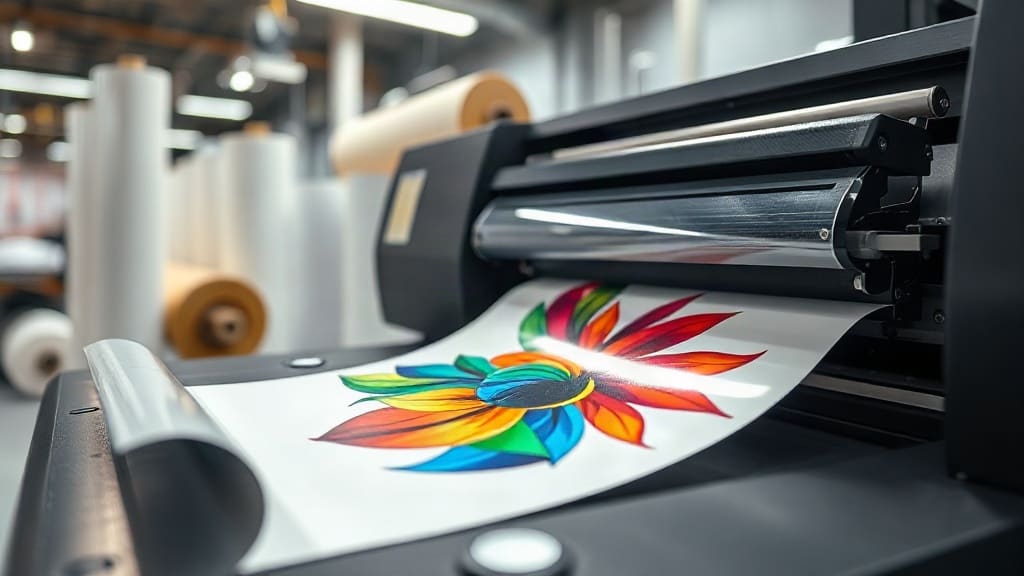
If you're in the custom apparel or small business space, you've likely heard the buzz around DTF transfers. This innovative printing method has taken the industry by storm, offering a versatile and cost-effective way to produce vibrant, durable designs on a wide range of fabrics. In this comprehensive guide, we'll dive deep into what DTF transfers are, how they work, and why they might be the game-changer your business needs.
What Are DTF Transfers?
DTF stands for Direct to Film. It's a printing process where a design is printed onto a special PET film using a DTF printer and specialized inks. After printing, a hot-melt adhesive powder is applied to the wet ink, and the film is then dried and cured. When you're ready to apply the transfer, you simply place the film on the garment and use a heat press to melt the adhesive, transferring the design onto the fabric. The result is a vivid, stretchable, and wash-resistant print that feels like part of the shirt.
Unlike traditional screen printing, which requires separate screens for each color, DTF transfers can reproduce full-color designs with intricate details and gradients in a single pass. This makes them ideal for small batches, custom orders, and on-demand printing. Plus, the process is relatively simple, making it accessible for startups and established decorators alike.
How Does DTF Transfer Work?
The DTF process involves several key steps that ensure a high-quality transfer. Let's break it down:
Step 1: Print the Design
First, you need a DTF printer, which is similar to an inkjet printer but uses special pigment inks and a white ink base. The design is printed in reverse onto a PET film with a special coating that helps the ink adhere. The white ink is printed as a base layer to make colors pop on dark or light garments.
Step 2: Apply Adhesive Powder
While the ink is still wet, you apply a fine hot-melt powder (also called adhesive or PU powder) over the printed area. The powder sticks to the wet ink. Excess powder is then shaken off, leaving only what's needed for the transfer.
Step 3: Cure the Adhesive
Next, the film is passed through a dryer or heat source to melt and cure the powder. This step ensures the adhesive is activated and ready to bond with the fabric during pressing.
Step 4: Heat Press
To apply the transfer, you place the film (with the design facing down) onto the garment and press it with a heat press at around 160-170°C for about 10-15 seconds, depending on the material and press used. The heat and pressure cause the adhesive to melt and bond with the fabric fibers.
Step 5: Peel Off the Film
After pressing, you wait a few seconds, then peel off the film cold or hot. For most DTF transfers, a cold peel is recommended to ensure the design fully sets. Then, you're left with a vibrant, soft, and durable print.
Why Choose DTF Transfers?
DTF transfers offer a host of benefits that make them a favorite among decorators and small businesses. Here are some of the top advantages:
- Versatility: You can apply DTF transfers to a wide variety of fabrics, including cotton, polyester, blends, and even materials like denim, leather, and nylon. This flexibility is unmatched by other methods.
- Vivid Colors: The white ink base ensures that colors stay true and vibrant, even on dark garments. The ink is also highly pigmented, giving you eye-catching results.
- Durability: DTF prints are resistant to cracking, fading, and washing. They can withstand numerous launderings without losing their quality.
- Soft Hand Feel: Unlike some other printing methods that leave a thick, plasticky layer, DTF transfers have a soft, smooth texture that doesn't compromise comfort.
- No Minimum Orders: Because each transfer is printed individually, you can do one-offs or small batches economically. This is perfect for custom orders, samples, and niche designs.
- Easy Setup: Compared to screen printing, DTF doesn't require complicated setup or cleanup. You can switch designs quickly, which boosts productivity.
DTF Transfers vs. Other Methods
To fully appreciate DTF transfers, it's helpful to compare them with other popular printing techniques.
DTF vs. DTG (Direct to Garment)
DTG involves printing directly onto the garment with an inkjet printer. While DTG offers excellent detail and softness, it can be slower and more expensive for larger orders. DTG also requires pre-treatment on dark shirts and is generally limited to cotton fabrics. DTF transfers, on the other hand, offer faster production times and can be used on many materials. Plus, DTF transfers can be made in advance and stored, enabling quicker fulfillment.
DTF vs. Screen Printing
Screen printing is a traditional method that uses mesh screens to apply ink. It's incredibly durable and cost-effective for large quantities, but the setup cost is high, making it impractical for small runs. Screen printing also struggles with complex, full-color designs. DTF transfers allow you to print vibrant, detailed artwork without the hefty setup, making it a better choice for custom and low-volume orders.
DTF vs. Heat Transfer Vinyl (HTV)
HTV is a cut-vinyl method where each color is cut and layered. It's great for simple designs and solid colors, but it's labor-intensive for multicolor graphics and can have a thicker feel. DTF transfers can replicate the look of HTV but with more flexibility and faster production, especially for intricate designs.
Applications of DTF Transfers
Because of their versatility, DTF transfers are used in a variety of applications. Here are some common uses:
- Custom T-Shirts: From business merch to personal gifts, DTF transfers are perfect for creating unique tees.
- Sportswear: The stretchability and durability make DTF great for activewear and jerseys.
- Workwear: Uniforms and branded apparel benefit from the longevity of DTF prints.
- Bags and Accessories: You can print on tote bags, caps, and other non-apparel items with ease.
- Pet Products: Dog bandanas and other pet accessories are a fun niche that DTF handles well.
- Home Decor: Custom cushions, pillowcases, and blankets are growing markets for DTF.
How to Get Started with DTF Transfers
If you're ready to incorporate DTF transfers into your business, here's a practical roadmap to begin.
1. Invest in the Right Equipment
You'll need a DTF printer, which is typically an EPSON or Ricoh printer that's been converted or designed for DTF. These range from entry-level to industrial machines. Also, you'll need a heat press, which you likely already have if you do heat transfer. If you're just starting, you might want to start with a small batch printer to test the waters.
2. Source High-Quality Supplies
The quality of your transfers depends on the film, ink, and adhesive powder. Look for genuine DTF PET films, high-quality pigment inks, and the right adhesive powder. It's tempting to go cheap, but inferior materials can lead to cracks, poor adhesion, or washed-out colors. At dtfprintup.com, we offer supplies that have been tested for reliability.
3. Create or Source Designs
Your designs should be high-resolution with transparent backgrounds for best results. If you're not a designer, you can hire freelancers or use design tools like Canva. Remember that DTF transfers can handle gradients and details, so let your creativity run.
4. Test and Calibrate
Before you start selling, run test prints on different fabrics to dial in your settings. Temperature, pressure, and press time can vary based on the material. Keep a log of what works best for each type of shirt you offer.
5. Market Your Services
Showcase your DTF capabilities on social media, your website, and at local events. Offer samples or small order discounts to attract customers. Highlight the benefits like full-color prints, no minimums, and quick turnaround.
Common Mistakes to Avoid in DTF Printing
Even experienced printers can run into issues with DTF. Here are some common pitfalls and how to avoid them:
Poor Adhesion
If your transfers are peeling or cracking, your adhesive powder might be inadequate or your press settings are off. Make sure you're using enough powder and that you're pressing at the right temperature and time. Also, ensure the garment is flat and dry.
Washing Issues
To ensure longevity, advise your customers to wash garments inside out in cold water and avoid using bleach or fabric softeners. This is a common care instruction that helps preserve the print.
White Ink Problems
The white ink in DTF is notorious for clogging if not used regularly. Make sure you're shaking the cartridges and running cleaning cycles as recommended. Store your printer in a clean, dust-free environment.
Incorrect Film Sides
Always print on the correct side of the PET film. Most films have a slightly shiny side and a matte side. The ink should go on the matte side for proper adhesion. Mark your film to avoid confusion.
Frequently Asked Questions About DTF Transfers
How long do DTF transfers last?
With proper care, DTF transfers can last as long as the garment itself. They are resistant to cracking and fading, and they can withstand many washes. The key is to use high-quality materials and follow correct application procedures.
Can I use DTF transfers on any fabric?
DTF transfers work best on cotton, polyester, and blends. They can also be applied to materials like nylon, leather, and canvas, but you may need to adjust your press settings and temperature. Always test on a sample first to ensure the material can handle the heat.
Do I need a special printer for DTF?
Yes, you need a printer that is compatible with DTF inks and capable of printing white ink. Many printers on the market are specifically designed for DTF, but you can also convert certain Epson printers. It's essential to use the right printer to achieve the best results.
Is DTF printing cost-effective for small orders?
Absolutely. Because there are no setup fees or screen costs, DTF is highly cost-effective for small quantities. You can print one shirt at a time without worrying about minimums, making it ideal for custom orders and online businesses.
How do I store DTF transfers?
If you print transfers in advance, store them in a cool, dry place, away from direct sunlight. Use a film roll or flat storage to prevent creases. Properly stored transfers can last for months, so you can prepare designs ahead of peak seasons.
Final Thoughts
DTF transfers have revolutionized the custom printing industry, offering a perfect balance of quality, durability, and affordability. Whether you're a hobbyist with a heat press or a growing business, this technology opens up endless possibilities. From vibrant colors to multi-fabric compatibility, DTF makes it easier than ever to turn your creative ideas into wearable art.
If you're ready to take the plunge, start with a reliable supplier like dtfprintup.com for your film, ink, and powder needs. Experiment with different designs and materials, and don't be afraid to make mistakes along the way. The more you practice, the better your results will be. So, what are you waiting for? Dive into the world of DTF transfers and watch your printing capabilities soar.