
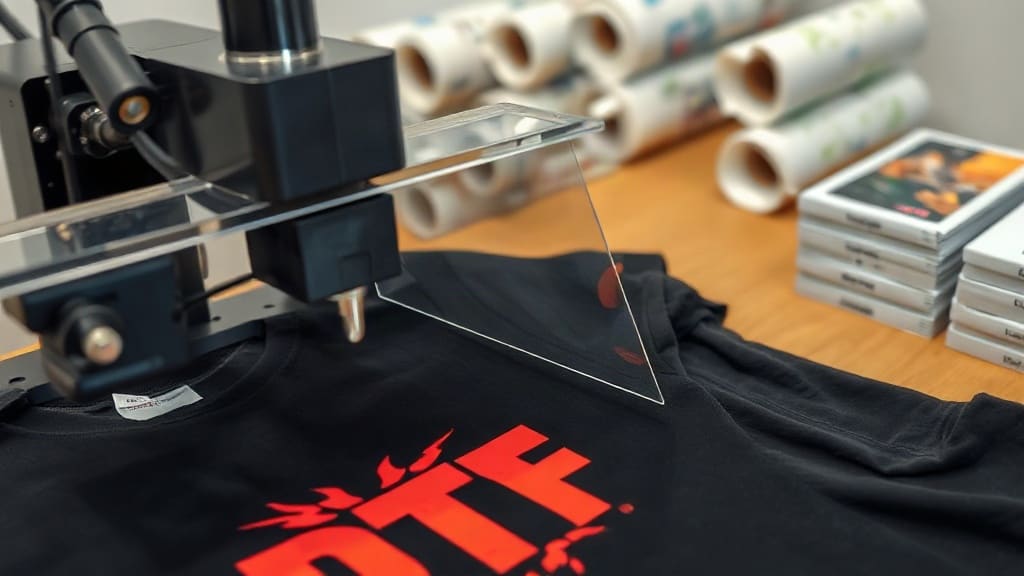
If you're in the custom printing world, you've likely heard about DTF transfers. They have taken the industry by storm, offering a versatile and cost-effective way to produce vibrant designs on various fabrics. Whether you're a small business owner, a DIY enthusiast, or someone curious about this technology, this guide will walk you through everything you need to know about DTF transfers: what they are, how they work, their pros and cons, and how to use them effectively.
What Are DTF Transfers?
DTF stands for Direct to Film. DTF transfers are printed designs on a special film that can be transferred onto fabric using heat and pressure. Unlike traditional screen printing, which requires separate screens for each color, DTF printing uses a digital printer to apply CMYK ink plus white ink onto the film. After printing, a hot melt adhesive powder is applied to the wet ink, and the film is cured. When you're ready to use the transfer, you simply place it on your garment, apply heat with a heat press, and peel away the film to reveal a vibrant, durable design.
One of the biggest appeals of DTF transfers is their versatility. They work on a wide range of fabrics, including cotton, polyester, blends, and even some nylons. This makes them a favorite for custom t-shirts, hoodies, tote bags, and more.
How Are DTF Transfers Made?
The process of creating DTF transfers involves several steps:
- Design Creation: First, you create your artwork using design software like Adobe Illustrator or Photoshop. Make sure the design is high resolution (300 DPI) and in the correct color mode (CMYK).
- Printing: The design is printed onto a PET film using a DTF printer. The printer lays down white ink first as an underbase, then prints the CMYK colors on top. This ensures that colors pop even on dark fabrics.
- Adhesive Powder: While the ink is still wet, a hot melt adhesive powder is applied to the film. This powder is what will bond the design to the fabric during heat transfer.
- Curing: The film is passed through a curing oven or heat tunnel to melt the powder and set the adhesive.
- Transfer: To apply the transfer, you place the film onto your garment with the design facing down. Using a heat press (typically at 320°F to 340°F for 10 to 15 seconds with medium to high pressure), you press the film onto the fabric. After it cools slightly, you peel off the film, and your design is complete.
Advantages of DTF Transfers
There are many reasons why DTF transfers have become so popular:
- Vibrant Colors: Because of the white underbase, colors appear bright and opaque, even on dark or colored fabrics.
- Soft Hand Feel: DTF transfers produce a soft, flexible print that doesn't crack easily, making it comfortable to wear.
- Versatility: They adhere to a wide range of materials, including cotton, polyester, blends, and more, which is a big plus over other methods.
- No Weeding: Unlike vinyl heat transfers, DTF doesn't require meticulous weeding. You print the entire design, and any excess is just part of the film that doesn't transfer.
- Full Color Prints: DTF supports full-color designs with gradients and intricate details, without the setup costs of screen printing.
- Small Runs: It's cost-effective for small orders or even single items, making it perfect for on-demand printing.
- Durability: When applied correctly, DTF prints can withstand multiple washes, maintaining their integrity.
DTF Transfers vs. Other Methods
To understand the value of DTF, it helps to compare it with other popular printing methods:
DTF vs. Screen Printing
Screen printing is ideal for large orders with simple designs and limited colors. It offers excellent color vibrancy and durability, but the setup cost is high, and you need a separate screen for each color. In contrast, DTF transfers are perfect for small to medium orders, complex multicolor designs, and quick turnaround times. There's no screen setup, so you can print designs on demand.
DTF vs. Vinyl Heat Transfer
Vinyl heat transfer (HTV) is great for simple designs with few colors, but it requires weeding and is limited in detail. DTF transfers can reproduce full-color graphics with gradients and small text much better. Also, DTF has a softer feel compared to vinyl, which can be stiff and plasticky.
DTF vs. Direct-to-Garment (DTG)
DTG printing prints directly onto the fabric, which is excellent for detailed designs on cotton shirts. However, DTG printers are expensive and require pretreatment for optimal results. DTF transfers, on the other hand, can be printed on films and applied to a wider range of fabrics, including polyester, which DTG struggles with. DTF also allows for bulk production using a heat press, which can be faster than DTG for multiple items.
How to Use DTF Transfers at Home or in Business
If you're considering using DTF transfers, here's what you need to get started:
Equipment Needed
- DTF printer (or access to a service that prints DTF films)
- PET film specifically for DTF
- Hot melt adhesive powder
- Heat press (or even a home iron, though a press is recommended)
- Curing oven or heat gun (if you're making your own transfers)
If you're just starting, you might consider purchasing ready-made DTF transfers from a supplier. This allows you to test the waters without investing in a DTF printer, which can be costly. Many online services offer custom DTF transfers where you upload your design and they ship you the film ready to press.
Application Tips
For best results, follow these guidelines:
- Preheat your garment for a few seconds to remove moisture and wrinkles.
- Place the DTF transfer on the garment, ensuring it's straight and smooth.
- Cover with a silicone sheet or parchment paper to protect the film.
- Press at 320°F to 340°F for 10 to 15 seconds with medium to high pressure.
- Peel the film either hot or cold, depending on the manufacturer's instructions. Some films require hot peel, others cold. Hot peel gives a matte finish, while cold peel yields a glossy look.
Always test on a sample fabric first to get the right settings for your specific film and garment.
Common Mistakes to Avoid
Even experienced printers can make errors. Here are some pitfalls to steer clear of:
- Incorrect Peeling: Not following the recommended peel temperature can lead to poor adhesion or a cracked design.
- Insufficient Pressure: If you don't apply enough pressure, the adhesive may not bond fully, causing the transfer to peel off after washing.
- Wrong Heat Settings: Too low heat or too short time can result in incomplete transfer; too high can scorch the fabric.
- Using the Wrong Film: Ensure you're using film compatible with your printer and ink type.
- Skipping the White Ink Layer: For dark fabrics, the white underbase is crucial. If it's too thin, colors may look dull.
DTF Transfers for Business: Pros and Considerations
Many entrepreneurs are adding DTF to their services. The low startup cost compared to screen printing and the ability to produce full-color items on demand make it an attractive option. You can offer custom apparel with no minimum order quantities, appealing to customers who need one-off items or small batches.
However, there are considerations:
- Printer Maintenance: DTF printers require regular cleaning to prevent clogged nozzles, especially with white ink.
- Powder Management: Shaking off excess adhesive powder can be messy. Invest in a good powder shaker or a vacuum system.
- Curing Process: You'll need an oven or heat tunnel to cure the powder. Some printers come with a built-in curing unit, but otherwise, you'll need a separate one.
Despite these, many find the benefits outweigh the challenges.
Costs Involved in DTF Printing
The cost of DTF printing varies based on equipment, materials, and volume. For a starter DTF printer, you might spend anywhere from $2,000 to $10,000. Consumables include film, ink, and powder. Per transfer, the cost is relatively low, especially when producing in bulk. For small quantities, DTF transfers are more cost-effective than screen printing due to no setup fees. If you're buying ready-made transfers, prices depend on size and quantity, but you can expect to pay a few dollars per transfer for small designs.
DTF Transfers: Trends and Future
The popularity of DTF continues to grow. With advancements in printer technology and materials, the quality and durability of DTF prints are improving. More businesses are adopting DTF for its flexibility and eco-friendliness compared to some traditional methods (less water and chemical usage). As the market expands, we can expect even more accessible and affordable DTF solutions.
Frequently Asked Questions
How long do DTF transfers last?
When applied correctly, DTF transfers can last for many washes, often up to 50 or more, without significant fading or cracking. Proper care, such as washing in cold water and avoiding harsh detergents, can extend their lifespan.
Can DTF transfers be used on any fabric?
DTF works best on cotton, polyester, and blends. It can also be used on some nylons and other synthetic fabrics, but always test a sample first because some materials may not bond well or may melt under heat.
Do I need a special printer for DTF transfers?
Yes, you need a printer that is compatible with DTF inks and can handle the film. Many standard eco-solvent or inkjet printers can be converted, but it's recommended to use a purpose-built DTF printer for best results.
Can I use a home iron instead of a heat press?
While possible, a heat press is recommended because it provides consistent temperature, pressure, and time. A home iron may not reach the required temperature accurately or apply even pressure, leading to poor adhesion.
Are DTF transfers eco-friendly?
DTF printing is generally considered more eco-friendly than screen printing because it produces less waste (no screens to clean) and uses water-based inks that are safer for the environment. However, the film and powder are plastic-based, so proper disposal is important.
Conclusion
DTF transfers are a game-changer in the custom printing industry. They offer a perfect blend of quality, versatility, and affordability. Whether you're a hobbyist looking to create custom shirts at home or a business aiming to expand your product offerings, DTF transfers provide an accessible pathway to professional results. By understanding the process, investing in the right equipment, and honing your technique, you can produce stunning, durable prints that will impress your customers.
If you're ready to dive in, start small, practice, and soon you'll master the art of DTF transfers. The possibilities are endless, and the quality is undeniable.