
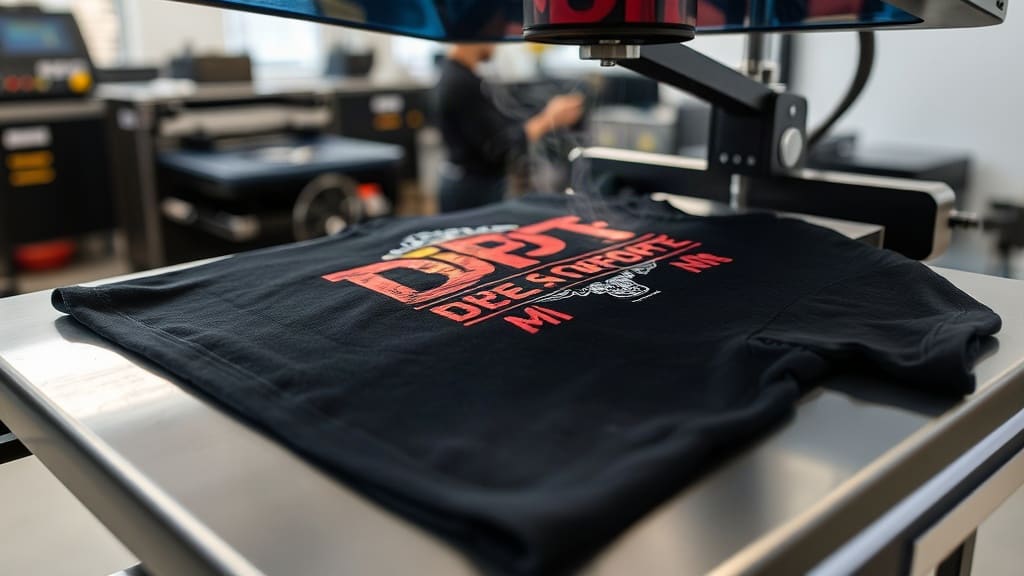
Custom apparel printing has evolved significantly in recent years, and one of the most exciting developments is DTF transfers. If you're looking for a versatile, cost-effective, and high-quality way to create custom shirts, hoodies, or bags, DTF transfers might be exactly what you need. Whether you're a small business owner, a hobbyist, or just curious about the technology, this guide will walk you through everything you need to know. We'll cover what they are, how they work, their advantages, and even some practical tips for getting the best results.
DTF (Direct to Film) printing is a method where a design is printed onto a special film, then transferred to fabric using adhesive powder and heat. It has become popular because it offers vibrant colors, durability, and flexibility across different materials. In this article, we'll dive deep into the process, compare it with other methods like screen printing and DTG, and give you actionable advice for using DTF transfers effectively.
What Are DTF Transfers?
DTF transfers are pre-printed designs on a film that you can apply to fabric using a heat press. The process involves printing a mirror image of your artwork onto a PET film, applying a hot-melt adhesive powder, and then heating the film to bond the design to the garment. The result is a soft, durable print that can stretch without cracking.
The technology behind DTF has been around for a few years, but it's gaining massive traction in the custom printing world. Unlike traditional methods, DTF allows you to print full-color designs with no minimum order, making it ideal for on-demand and small-batch production.
How DTF Works: Step by Step
Understanding the process helps you appreciate why DTF is so versatile. Here's a breakdown of how to create a DTF transfer:
- Design Creation: Start with your artwork in a digital format. DTF works with CMYK plus white, so your printer can lay down a white base layer for vibrant colors on dark garments.
- Printing: Using a specialized DTF printer, print the design onto a PET film. The printer uses pigmented inks and a white ink channel.
- Powder Application: While the ink is still wet, apply a hot-melt adhesive powder over the printed design. Shake off the excess and ensure even coverage.
- Drying: The film goes through a heat source to melt the powder slightly, creating a tacky adhesive layer.
- Transfer: Place the film on your garment, print side down, and press with a heat press at around 160°C (320°F) for 15-20 seconds. Peel the film away while it's still hot or after it cools, depending on the film type.
- Finishing: Your garment now has a vibrant, durable print ready to wear.
Advantages of Using DTF Transfers
Why are so many print shops and DIYers making the switch to DTF? Here are the key benefits:
- Versatility: You can apply DTF transfers to a variety of fabrics, including cotton, polyester, blends, and even leather or denim.
- Vibrant Colors: The white ink base ensures colors pop on dark fabrics, something not all methods achieve.
- Soft Hand Feel: DTF prints have a soft texture, similar to screen printing but with more flexibility.
- Durability: When applied correctly, DTF transfers can withstand many washes without fading or cracking.
- No Minimum Orders: Print one or a thousand, your cost per unit stays the same with no setup fees.
- Easy Workflow: You don't need screens or complex setup; it's a simple print-and-transfer process.
DTF vs. Other Printing Methods
To truly understand the value of DTF, it helps to compare it with other popular methods:
DTF vs. Screen Printing
Screen printing has been the go-to for bulk orders because it's cost-effective at high volumes. However, each color requires a separate screen, making it expensive for small runs. DTF transfers are cheaper for short runs and offer full-color without extra setup. Screen printing still has a slight edge in durability for large production, but DTF is closing the gap.
DTF vs. Direct to Garment (DTG)
DTG printing is similar to DTF but prints directly onto the garment. While DTG gives excellent detail and color, it's slower and often requires pre-treatment for dark clothing. DTF transfers are faster because you can print multiple designs on a roll of film and apply them when needed. Plus, DTF works on a wider range of materials, including polyester, which DTG struggles with.
DTF vs. Heat Transfer Vinyl (HTV)
HTV is great for simple, single-color designs and offers a vinyl texture. DTF offers full-color, photographic prints with a softer feel. While HTV is cheaper for basic logos, DTF is better for complex, multi-colored designs.
How to Get Started with DTF Transfers
If you're convinced that DTF is right for you, here's how to begin:
Equipment You'll Need
- A DTF printer (often a modified Epson with white ink)
- PET film rolls
- Hot-melt adhesive powder
- A heat press
- Shaker or powder application system
- Inks: CMYK + white
You can buy a complete DTF system, but many people opt for a DTF transfer service for small batches. If you're just starting, consider ordering custom DTF transfers from a professional service to test the waters.
Tips for Perfect Results
- Always use a high-resolution image (300 DPI) for crisp prints.
- Ensure your powder application is even to avoid adhesive marks.
- Pre-press your garment for a few seconds to remove moisture and wrinkles.
- Test a sample with different time and temperature settings to find the sweet spot.
- Peel the film according to the manufacturer's instructions: some films require hot peel, others cold peel.
Applications of DTF Transfers
What can you do with DTF transfers? The possibilities are endless:
- Custom T-shirts: Perfect for small businesses, teams, or personal projects.
- Hoodies and Sweatshirts: The soft feel makes it comfortable for cozy garments.
- Bags and Tote Bags: Add unique designs to canvas or synthetic bags.
- Hats and Caps: While curved surfaces can be tricky, with the right heat press it's possible.
- Sportswear: DTF works on polyester and other performance fabrics.
- Home Decor: Pillows, aprons, or even fabric wall art.
Common Mistakes to Avoid
Even experienced printers make errors. Here are some pitfalls to steer clear of:
- Using the wrong powder: Always use powder specifically designed for DTF to ensure proper adhesion.
- Skipping the shake: If you don't remove excess powder, you'll get a messy look.
- Setting the wrong temperature: Too low, the adhesive won't activate; too high, you risk burning the film.
- Peeling too early: Check the recommended peel temperature; some films need to cool down before peeling.
- Ignoring fabric compatibility: While DTF works on many materials, always test on a scrap piece first.
The Future of DTF Transfers
As technology improves, DTF is becoming even more accessible. We're seeing advancements in ink formulations that increase durability, and printers are getting more affordable. Some companies are developing water-based inks for a more eco-friendly option. It's likely that DTF will continue to grow, especially for small to medium-sized print businesses.
Frequently Asked Questions
How long do DTF transfers last?
With proper application and care, DTF transfers can last for many washes. The print won't fade significantly, and it won't crack like some plastisol prints. However, the durability depends on factors like washing temperature, drying, and the quality of the powder and ink. For best results, wash garments inside out in cold water and avoid using chlorine bleach.
Can DTF transfers be used on any fabric?
While DTF is versatile, the best results are achieved on cotton, polyester, and blends. It also works on nylon and leather, but you should test first because some synthetic fabrics have a low melting point. For extremely stretchy fabrics, like spandex, you'll need a stretchable film and adhesive.
Are DTF transfers washable?
Yes, they are washable. In fact, DTF transfers are known for their excellent wash durability. To ensure longevity, turn the garment inside out before washing and use a gentle cycle. Avoid using fabric softeners that can break down the adhesive over time.
What is the difference between DTF and sublimation?
Sublimation is a process that uses heat to turn dye into gas, which then permeates polyester fibers. It works only on white or light-colored polyester fabrics. DTF, on the other hand, can print on dark fabrics and various materials because it uses a white ink base. DTF also leaves a slight texture, whereas sublimation is completely seamless.
Can I do DTF at home?
Yes, you can! With a budget of around $2,000 to $5,000 for a starter setup, you can purchase a DTF printer, films, powder, and a heat press. However, there's a learning curve. If you're not ready to invest, you can order custom DTF transfers from a service and apply them with a simple heat press at home.
Final Thoughts
DTF transfers have truly democratized custom apparel printing. They offer a perfect balance of quality, cost, and flexibility, making them ideal for both beginners and pros. Whether you're looking to start a side hustle or expand your current print business, DTF is a technique worth embracing. By understanding the process and following best practices, you can create stunning, long-lasting prints that your customers will love. So, why not give DTF a try? Your next custom order could be your best yet.