
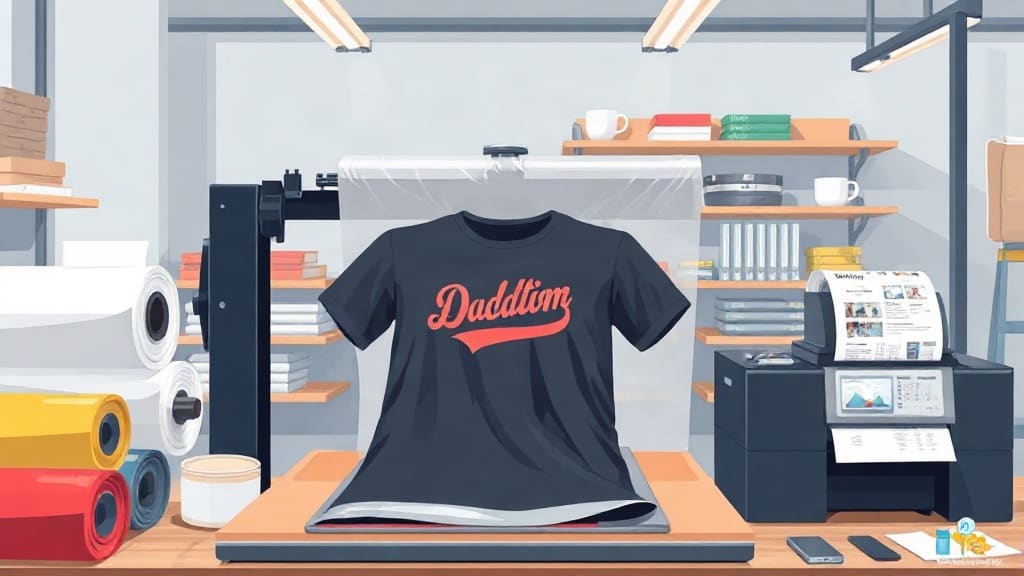
DTF transfers have revolutionized the custom apparel industry, offering a flexible, cost-effective, and high-quality solution for printing designs on various fabrics. Whether you are a small business owner, a hobbyist, or a large-scale manufacturer, understanding this technology can elevate your products to new heights.
In this comprehensive guide, we will delve into what DTF transfers are, how they work, their benefits, how to apply them, and essential tips to get the best results.
What are DTF Transfers?
DTF stands for Direct to Film. It is a printing method where a design is printed onto a special PET film using a DTF printer and then transferred onto fabric using a heat press. Unlike traditional methods like screen printing or heat transfer vinyl, DTF transfers allow for vibrant, detailed prints on a wide range of materials, including cotton, polyester, blends, and even leather.
The process involves printing a design with CMYK and white ink, applying adhesive powder, curing it, and then heat pressing the film onto the garment. The result is a durable, stretchable, and washable print that feels soft to the touch.
How Do DTF Transfers Work?
To understand DTF transfers, you need to know the step-by-step process:
- Design creation: You create or upload your design using graphic software. It is printed as a mirror image onto the film.
- Printing: A DTF printer prints the design onto the PET film. It uses CMYK colors plus white ink to create a base layer for the design.
- Adhesive application: While the ink is still wet, a hot-melt adhesive powder is applied to the film. The powder sticks to the white ink only.
- Curing: The film is passed through a dryer or heat source to melt the adhesive powder, bonding it to the ink.
- Transfer: The film is placed on the fabric, and a heat press applies pressure and heat (usually around 160°C) for 10-20 seconds.
- Peeling: After pressing, you peel off the film, leaving the design on the fabric.
This method is praised for its simplicity and efficiency, especially for small batches and custom orders.
Benefits of DTF Transfers
DTF transfers come with a host of advantages that make them a top choice for many businesses:
- Versatility: They work on various fabrics, including dark and light colors, without the need for a white base layer.
- High quality and detail: DTF printing produces sharp, vibrant, and highly detailed images, even with complex gradients and fine lines.
- Durability: The prints are resistant to cracking, peeling, and fading, even after multiple washes.
- Cost-effective for small batches: Unlike screen printing, DTF transfers have no setup costs, making them ideal for short runs and custom one-off items.
- Soft hand feel: The ink and adhesive create a thin layer that doesn't stiffen the fabric, offering a comfortable feel.
- Stretchability: The prints can stretch with the fabric without cracking, making them perfect for activewear.
These benefits have made DTF transfers a popular alternative to traditional methods, such as vinyl heat transfer and plastisol transfers.
How to Apply DTF Transfers: A Step-by-Step Guide
To achieve professional results, follow these steps:
Preparing the Fabric
Ensure the fabric is clean, dry, and free of wrinkles. Pre-pressing the garment for a few seconds can remove moisture and ensure a flat surface.
Positioning the Transfer
Place the DTF transfer film on the garment with the design side down (mirrored). Use a heat-resistant tape to secure it in place, especially for larger designs.
Heat Press Settings
The ideal temperature is typically 160°C (320°F) to 170°C (340°F). The pressure should be medium to firm, and the pressing time is usually 10-15 seconds. Always refer to the manufacturer's recommendations.
Pressing and Peeling
Apply the heat press with even pressure. After pressing, allow the film to cool for a few seconds (hot peel or cold peel depending on the film type), then peel off the film carefully. For best results, peel at the recommended temperature.
Post-Pressing
For added durability, you can press the design again with a Teflon sheet or parchment paper for a few seconds. This ensures the adhesive fully bonds.
By following these steps, you can achieve clean, long-lasting prints every time.
DTF Transfers vs. Other Methods
Comparing DTF transfers to other popular methods helps highlight their strengths:
- Vs. Screen Printing: DTF transfers offer more color flexibility and no setup fees, but screen printing is faster for large quantities.
- Vs. Sublimation: Sublimation only works on polyester or polymer-coated surfaces, while DTF works on cotton and blends.
- Vs. Vinyl Heat Transfer: DTF allows for full-color designs without layering, while vinyl is limited to solid colors and intricate cuts.
- Vs. Direct-to-Garment (DTG): DTF transfers can be applied to a wider range of fabrics and are easier for small runs, but DTG offers a softer hand feel on cotton.
Each method has its place, but DTF transfers excel in versatility and ease of use.
Frequently Asked Questions about DTF Transfers
Can DTF transfers be used on any fabric?
Yes, DTF transfers are highly versatile. They work on cotton, polyester, nylon, blends, and even leather. However, for best results, we recommend using them on fabrics that can withstand the heat press temperature (around 160°C). Always test on a small area first.
How many washes do DTF transfers withstand?
DTF transfers are known for their durability. With proper application and care, they can withstand 50 or more washes without significant fading or cracking. Washing inside out with cold water and avoiding harsh detergents can extend their lifespan.
Can I use DTF transfers at home?
Absolutely. While DTF printing requires specialized equipment, you can purchase pre-printed DTF transfers from suppliers like dtfprintup.com and apply them with a home heat press. It is a cost-effective way to create custom apparel without investing in a full DTF printer setup.
Do DTF transfers have a soft or stiff feel?
DTF transfers offer a soft hand feel compared to vinyl, but they are not as soft as DTG prints. The texture is slightly raised but flexible, and it becomes even softer after washing. This makes them comfortable for daily wear.
How do I remove DTF transfer mistakes?
If you make a mistake, you can remove the transfer using a heat gun to soften the adhesive, then carefully peel it off. For stubborn residue, use a commercial adhesive remover. However, please note that removing a transfer may leave a slight residue or mark on the fabric.
Conclusion
DTF transfers are a game-changer in the custom apparel industry. They combine the best of many worlds: high quality, durability, versatility, and ease of use. Whether you are starting a custom t-shirt business or looking to expand your product line, DTF transfers offer an accessible and profitable solution.
With the right equipment and a bit of practice, you can produce stunning, professional-grade prints that will keep your customers coming back. Embrace the DTF revolution today and unlock endless creative possibilities.