
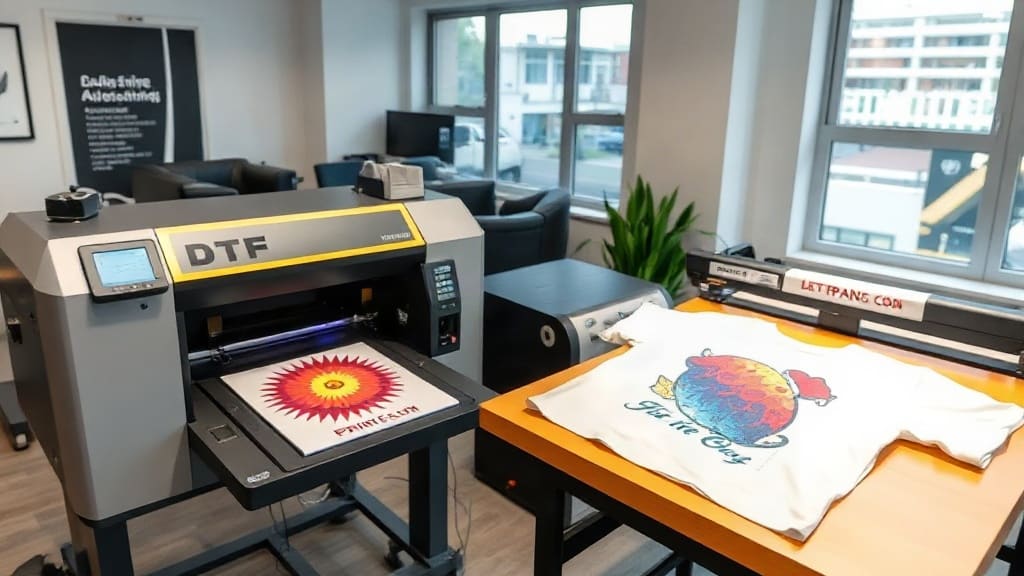
DTF printing has taken the custom apparel industry by storm, offering a versatile and cost-effective way to produce vibrant designs on various fabrics. Whether you're a small business owner or a hobbyist, understanding this technology can open new creative possibilities. In this comprehensive guide, we'll delve into the intricacies of DTF, compare it with other methods, and provide actionable tips to ensure your prints stand out.
What is DTF Printing?
Direct-to-Film (DTF) is a printing method where a design is printed onto a special PET film using a DTF printer, then transferred to fabric using a heat press. Unlike traditional screen printing, DTF doesn't require screens or complex setup, making it ideal for small batches and full-color designs. The process involves printing a mirror image with CMYK and white ink, applying adhesive powder, and curing it before transfer.
How Does DTF Work?
The core steps of DTF are straightforward:
- Printing: The design is printed onto a film using DTF inks (CMYK + white). White ink acts as a base to make colors pop on dark fabrics.
- Adhesive Application: While the ink is still wet, a hot-melt adhesive powder is sprinkled onto the film. The powder sticks only to the printed areas.
- Curing: The film is heated to melt the adhesive, fixing it to the ink.
- Transfer: The film is placed on the fabric, and a heat press applies pressure and heat. The design peels off, leaving a durable print.
This method allows for intricate details and a soft hand feel, making it a favorite among print-on-demand businesses.
Advantages of DTF Printing
Why should you consider DTF over other techniques? Here are some compelling benefits:
- Versatility: Works on cotton, polyester, blends, and even hard surfaces like bags and shoes.
- No Weeding: Unlike vinyl, there's no manual cutting or weeding required.
- High Detail: Prints fine lines and small text with precision.
- Soft Hand Feel: The transfer layer is thin, maintaining fabric texture.
- Durability: Prints withstand multiple washes without cracking or fading.
- Eco-Friendly Options: Water-based inks and low waste compared to screen printing.
DTF vs. Other Printing Methods
To make an informed choice, it's essential to compare DTF with alternatives like DTF (direct to garment) and screen printing. While DTG is excellent for cotton, it struggles with dark fabrics and requires pre-treatment. Screen printing offers cost-efficiency for bulk orders but is labor-intensive for small runs. DTF bridges the gap: it's affordable for short runs, works on various fabrics, and provides vibrant colors even on dark backgrounds.
Cost-Efficiency and Setup
Setting up a DTF printer involves an initial investment, but the operational costs are lower than screen printing for small quantities. There's no need for screens, emulsions, or extensive cleaning. For businesses testing designs or fulfilling custom orders, DTF is a game-changer.
How to Choose DTF Printing Equipment
Selecting the right equipment is crucial for quality results. Consider these factors:
- Printer: Look for one with a bulk ink system and white ink circulation to prevent clogging (e.g., Epson XP-15000 or specialized DTF printers).
- Heat Press: A clamshell or swing-away press with precise temperature control (around 160-170°C) is recommended.
- Shaker/Curing Oven: For automatic powder application and curing, though manual shaking is possible for small scale.
- Films and Inks: Use quality PET films and DTF inks to ensure adhesion and color vibrancy.
Budget Considerations
Entry-level setups start around $1,000, but professional systems can exceed $10,000. Assess your production volume and expected quality to choose a balance. Remember that cheap inks might save money upfront but lead to clogged heads and poor results.
Step-by-Step DTF Transfer Process
Here's a detailed walkthrough for perfect transfers:
- Prepare Your Design: Use software like Photoshop or Illustrator. Ensure the design is mirrored (for transfer) and has a white underbase layer if needed.
- Print: Load the film correctly, print CMYK first, then white. Set your printer to high quality for best results.
- Apply Powder: Evenly sprinkle adhesive powder over the wet print. Shake off excess.
- Cure: Use a curing oven or heat press at 160°C for 30-60 seconds to melt the powder.
- Pre-Press Fabric: Remove wrinkles and moisture from the garment.
- Transfer: Place the film on the fabric. Press at 160-170°C for 20-30 seconds with medium pressure.
- Peel: Wait a few seconds, then peel the film slowly. For best results, use cold peel.
Tips for Troubleshooting
- Poor Adhesion: Increase temperature or pressure, or ensure powder is fully cured.
- Color Fading: Check ink quality and print head alignment.
- Film Sticking: Use a Teflon sheet or lower temperature slightly.
Applications and Creative Uses
DTF isn't just for t-shirts. It's perfect for:
- Custom apparel for events and teams
- Promotional products like tote bags and caps
- Personalized gifts and home decor
- Small-batch fashion collections
The ability to print on demand reduces inventory costs and allows for quick design iterations.
Frequently Asked Questions
Is DTF printing durable?
Yes, DTF prints are highly durable. When applied correctly, they can withstand 40+ washes without cracking or peeling. The adhesive ensures a strong bond with the fabric, and the ink is flexible.
Can I use DTF on dark fabrics?
Absolutely. The white ink underbase is essential for dark colors, making the design vibrant and opaque. Ensure your printer has reliable white ink circulation to prevent clogs.
What is the difference between DTF and sublimation?
Sublimation works only on polyester and requires white or light-colored fabrics. DTF works on cotton and blends, offering more versatility. Sublimation also requires special coating, while DTF does not.
How much does it cost to start DTF printing?
Startup costs range from $1,000 for a basic setup (printer, heat press, and supplies) to over $10,000 for industrial systems. You can also start with a conversion kit for an existing printer.
Is DTF printing profitable?
Yes, due to low per-unit costs and high customization potential. Many small businesses offer DTF transfers to other sellers, creating a B2B revenue stream.
Conclusion
DTF printing is a revolutionary technology that empowers creators and entrepreneurs to produce high-quality custom items with ease. Its versatility, durability, and cost-effectiveness make it an attractive option for anyone looking to expand their product offerings. By following the guidelines in this article, you'll be well on your way to mastering DTF and unlocking endless possibilities. So why wait? Dive into the world of DTF and watch your ideas come to life.