
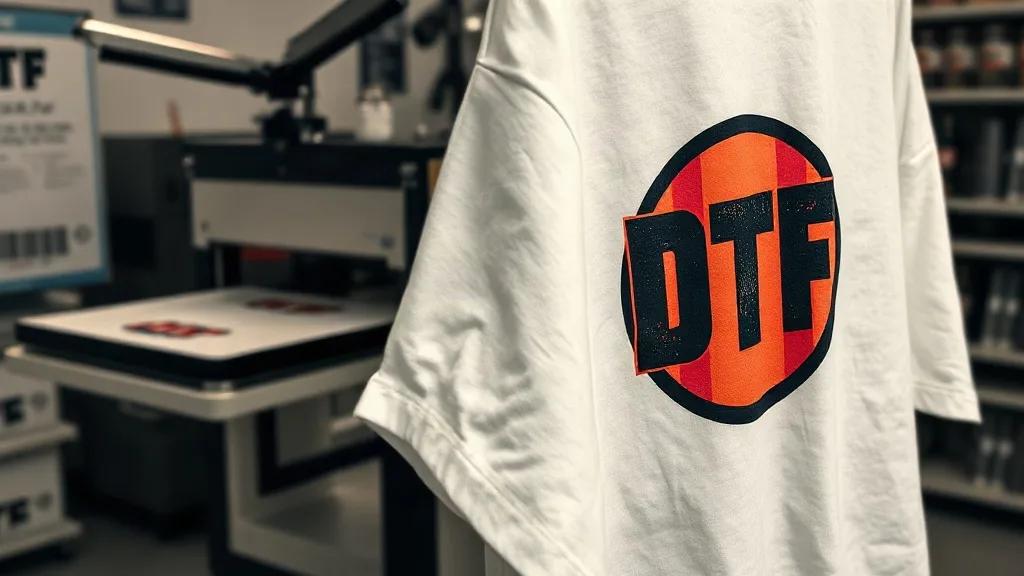
When you're running a print shop, the difference between a good DTF print and a great one often comes down to the blank you choose. Sure, you can dial in your printer settings, use top-notch film, and perfect your powder application, but if the shirt doesn't cooperate, all that effort goes to waste. That's where understanding fabric weight and drape becomes crucial. And if you're looking for a reliable blank that consistently delivers, shaka wear deserves a spot on your radar.
In this guide, we're diving deep into why fabric weight and drape matter for DTF printing, how Shaka Wear's blanks stack up, and practical tips to help you choose the right tee for your next project. Whether you're printing for a local band or a corporate client, these insights will save you time, money, and frustration.
Why Fabric Weight and Drape Matter for DTF Printing
DTF printing involves transferring a design onto fabric using a heat press. The process relies on the adhesive in the transfer film bonding with the fabric fibers. If the fabric is too lightweight or has a loose weave, the adhesive might not grip properly, leading to cracks, peeling, or a washed-out look after a few washes. Conversely, a fabric that's too heavy or stiff can make the print feel like a plastic patch, which customers notice immediately.
Drape, on the other hand, refers to how the fabric hangs and moves. A tee with good drape feels comfortable and looks flattering, while a stiff fabric can feel boxy and cheap. For DTF prints, drape also affects how the design sits on the garment. A print on a stiff fabric might crease awkwardly when worn, whereas a softer drape allows the print to move naturally with the body.
Shaka Wear blanks are known for their balance of weight and drape. They're heavyweight enough to provide a substantial canvas for DTF transfers, yet they're finished in a way that keeps them soft and wearable. This combination is why many print shops turn to Shaka Wear for both retail-quality and promotional apparel.
Shaka Wear's Fabric Weight: What to Expect
Shaka Wear offers a range of fabric weights, typically from 5.5 oz to 7 oz. This range covers everything from lightweight tees for summer events to heavyweight shirts for workwear or streetwear brands. For DTF printing, a mid-to-heavyweight fabric (around 6 oz or more) is generally recommended because it provides a stable surface for the transfer and holds up well to the heat press.
Let's break down the options:
- 5.5 oz: Lightweight and breathable, ideal for fashion-forward tees where drape is prioritized. However, extra care is needed during pressing to avoid scorching or uneven adhesion.
- 6 oz: A versatile middle ground. It's heavy enough for crisp DTF prints but still comfortable for everyday wear. Many shops use this weight for custom merch.
- 7 oz: Heavyweight and durable, perfect for work shirts or brands that want a premium, structured feel. The thicker fabric can handle higher heat and pressure, making it forgiving for beginners.
Shaka Wear's heavyweight tees, in particular, are popular among DTF printers because they resist shrinking and maintain their shape after multiple washes. This durability ensures that the DTF print stays intact and doesn't distort over time.
The Role of Drape in DTF Print Quality
Drape is often overlooked, but it's a key factor in how a finished garment looks and feels. A fabric with good drape conforms to the body, which means the DTF print will also conform without cracking. Shaka Wear blanks are engineered with a soft hand feel, often using ring-spun cotton or cotton-poly blends that offer excellent drape.
When printing on fabrics with poor drape, you might notice that the transfer appears stiff or creates a "plate" effect where the design sits on top of the fabric rather than integrating with it. This is especially common with cheap, low-quality blanks. Shaka Wear's blanks, however, are made with finer yarns and tighter knitting, which allows the DTF transfer to bond more intimately with the fabric, resulting in a smoother, more integrated print.
Additionally, drape affects how the garment folds and wrinkles. A stiff fabric might crease sharply, causing the print to crack along the fold lines. A softer drape allows the fabric to bend more gently, reducing stress on the print. This is why many DTF printers prefer Shaka Wear for designs that cover large areas or have intricate details.
Choosing the Right Shaka Wear Blank for Your DTF Project
Not all Shaka Wear blanks are created equal, and the right choice depends on your specific needs. Here are some considerations to help you decide:
Consider the End Use
Are you printing for a retail brand that demands a premium feel? A heavyweight, ring-spun tee with a soft drape might be your best bet. For promotional giveaways where cost is a factor, a mid-weight option could suffice. Shaka Wear's variety allows you to match the blank to the purpose without sacrificing quality.
Test with a DTF Gangsheet
Before committing to a large order, it's wise to test different fabrics with your DTF printer. Using a DTF Gangsheet Builder can help you efficiently test multiple designs on various Shaka Wear blanks in one go. This tool lets you compile different graphics into a single sheet, saving time and material. You can then press each design onto different fabrics to see how they perform. Pay attention to how the transfer adheres, how it feels, and how it holds up after washing.
Mind the Color
Shaka Wear offers a wide range of colors, but not all fabrics take DTF prints equally. Dark colors require a white ink base, which can add thickness. Lighter colors might show the transfer edges more. Always check that the fabric is compatible with your ink and film. Shaka Wear's blanks are generally DTF-friendly, but it's always good to do a test print.
Practical Tips for Printing on Shaka Wear Blanks
Once you've chosen your blanks, here are some tips to ensure your DTF prints turn out perfectly:
- Pre-press the garment: This removes moisture and wrinkles, creating a smooth surface for the transfer.
- Use the right pressure: Too little pressure and the transfer won't adhere; too much and you might flatten the fabric or cause ink to spread. Medium pressure is usually best for Shaka Wear's fabrics.
- Control the temperature: Follow the DTF film manufacturer's recommendations, but be aware that heavier fabrics may require slightly longer pressing times.
- Peel cool: Always let the transfer cool completely before peeling the film. This prevents the design from stretching or tearing.
- Wash inside out: Advise your customers to wash garments inside out in cold water and tumble dry low to prolong the life of the print.
By following these steps, you'll get consistent results that keep your customers coming back.
Why Shaka Wear Stands Out for DTF Printing
There's no shortage of blank options on the market, but Shaka Wear has carved a niche for itself by focusing on quality and consistency. Their blanks are cut and sewn to exacting standards, which means you can expect minimal shrinkage and uniform sizing across batches. This reliability is crucial for print shops that need to fulfill large orders without surprises.
Moreover, Shaka Wear's fabrics are designed to work well with heat transfers. The cotton and cotton-poly blends they use are optimized for adhesion, and the surface is smooth enough to accept fine details. Many DTF printers report that Shaka Wear blanks require less tweaking of press settings compared to other brands, saving time and reducing waste.
If you're not already using Shaka Wear, it's worth ordering a few samples to see the difference for yourself. Start with a mid-weight tee and a heavyweight option, and run them through your typical DTF process. Compare the print quality, feel, and durability. You might find that Shaka Wear becomes your go-to blank.
Frequently Asked Questions
What is the best Shaka Wear fabric weight for DTF printing?
For most DTF applications, a 6 oz or heavier fabric works best because it provides a stable surface and holds up well to heat pressing. However, if you're printing on lightweight fabrics, adjust your press settings to avoid scorching.
Can I use DTF printing on Shaka Wear's poly-cotton blends?
Yes, DTF printing works well on poly-cotton blends, but you may need to lower the pressing temperature to prevent the polyester from melting or the ink from bleeding. Always test a small area first.
How do I prevent the DTF print from cracking on Shaka Wear tees?
Ensure proper adhesion by pre-pressing the garment, using adequate pressure, and peeling the film after it cools. Also, wash the garment inside out in cold water and avoid ironing directly over the print.
Does fabric drape affect the durability of DTF prints?
Yes, fabrics with good drape tend to flex more naturally, reducing stress on the print and minimizing cracks. Shaka Wear's blanks are designed with drape in mind, which helps extend the life of your DTF prints.
Where can I buy Shaka Wear blanks for my print shop?
You can find Shaka Wear blanks at various wholesale suppliers. For convenience, check out the selection at shaka wear to get started.