
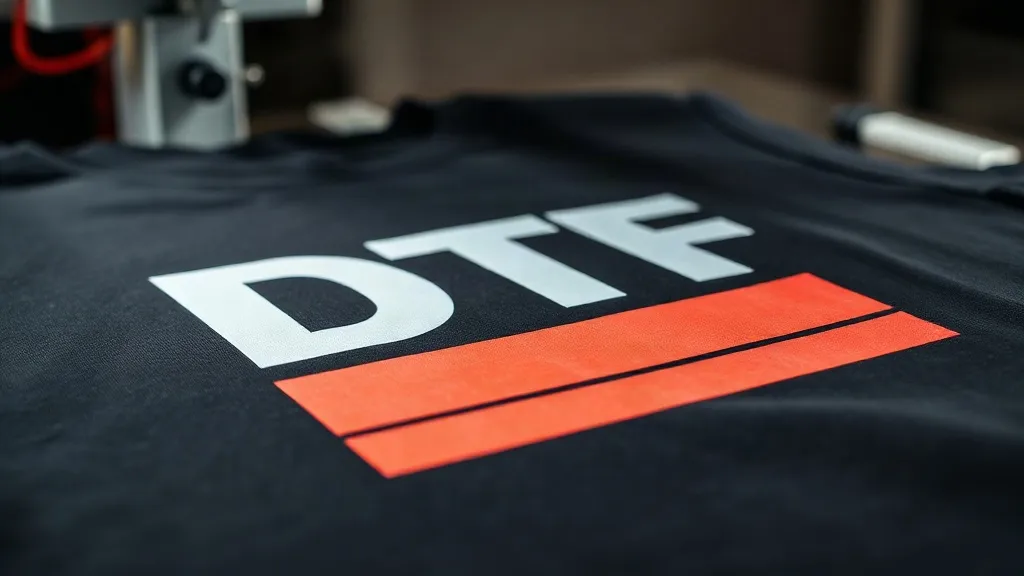
When you order dtf transfers, you're not just buying sheets of film; you're investing in the final look of your apparel and the reputation of your brand. A reliable supplier can be the difference between a thriving print shop and a constant battle with defects. But with so many options available, how do you separate the pros from the pretenders? This guide dives into the key factors that define a trustworthy dtf supplier, helping you make informed decisions and avoid the pitfalls of subpar materials.
Why Supplier Quality Matters More Than You Think
DTF printing has exploded in popularity for good reason: it's versatile, durable, and works on almost any fabric. However, the quality of your transfers hinges entirely on the supplier's production standards. Cheap transfers might save a few cents per sheet, but they often lead to faded colors, cracked prints, and frustrated customers. In contrast, a reputable supplier invests in quality control, ensuring every sheet meets strict criteria for ink adhesion, powder application, and film durability.
Consider this: a single bad batch can ruin an entire order of custom shirts, costing you time, money, and credibility. That's why savvy printers treat supplier selection as a strategic decision, not just a purchasing task.
Key Factors to Evaluate in a DTF Supplier
1. Print Quality and Consistency
The first thing to assess is print quality. Request samples from potential suppliers and inspect them closely. Look for sharp details, vibrant colors, and smooth gradients. Poor quality transfers may show banding, dull colors, or uneven ink distribution. Consistency is equally important: a good supplier delivers the same quality order after order. Ask about their quality control processes and whether they use premium inks and films.
2. Material Durability and Washability
DTF transfers should withstand repeated washing without cracking, peeling, or fading. A reliable supplier will provide wash test data or guarantees. Don't hesitate to ask for references or test samples yourself. A simple wash test at home can reveal a lot about the transfer's longevity.
3. Turnaround Time and Reliability
In the fast-paced world of custom apparel, delays can be costly. Choose a supplier with a proven track record of on-time delivery. Ask about their production capacity and how they handle peak seasons. A supplier who communicates proactively about potential delays is worth their weight in gold.
4. Customer Service and Support
Even the best suppliers encounter issues occasionally. What matters is how they resolve them. Test their responsiveness by asking questions before you order. A supplier who answers promptly and knowledgeably is more likely to support you when problems arise. Look for those who offer technical advice and troubleshooting help.
5. Pricing and Value
While price shouldn't be the sole deciding factor, it's important to get good value. Compare costs per sheet, but also consider the yield: cheaper transfers might require higher pressure or longer pressing times, slowing down your workflow. A slightly higher price for superior quality often pays off in fewer rejects and happier customers.
Red Flags to Watch Out For
Not all suppliers are created equal. Here are some warning signs that should make you cautious:
- Extremely low prices that seem too good to be true (they usually are).
- No samples available or reluctance to provide them.
- Vague answers about materials or production processes.
- Poor communication or slow response times.
- No clear return or refund policy.
Trust your instincts: if something feels off, it probably is. It's better to invest a little more in a supplier you trust than to risk your reputation on cut-rate materials.
How to Test a New Supplier
Before committing to a large order, do a trial run. Order a small batch of dtf transfers near me (or from an online supplier) and put them through rigorous testing:
- Press them according to the supplier's instructions.
- Wash the garments multiple times (at least 5-10) and check for fading, cracking, or peeling.
- Stretch the print to test elasticity.
- Compare the results with your current supplier's output.
This small investment can save you from a costly mistake down the line.
The Importance of Technical Support
DTF printing involves several variables: temperature, pressure, time, and peel method. A good supplier provides detailed instructions and is available to answer questions. Some offer video tutorials or troubleshooting guides. This support can be invaluable, especially if you're new to DTF or expanding your product line.
Building a Long-Term Partnership
Once you find a reliable supplier, nurture the relationship. Loyal customers often get priority during busy periods and may receive better pricing. Communicate openly about your needs and provide feedback; good suppliers value input and use it to improve.
Frequently Asked Questions
How can I verify the quality of DTF transfers before placing a large order?
Always request samples. Test them by pressing onto fabric, washing multiple times, and stretching. Check for color vibrancy, detail sharpness, and durability. A reputable supplier will happily provide samples and may even offer a small trial order at a discounted rate.
What is the typical turnaround time for DTF transfer orders?
Turnaround varies by supplier and order size. Many reputable suppliers ship within 1-3 business days for standard orders. However, during peak seasons, it may be longer. Always confirm current lead times before ordering, and consider expedited options if needed.
Are DTF transfers from online suppliers as good as local ones?
Quality depends on the supplier, not the location. Many online suppliers offer excellent quality and convenience. However, if you prefer to see samples in person or need urgent delivery, searching for dtf transfers near me might be beneficial. Evaluate both based on the criteria outlined above.
How should I store DTF transfers to maintain quality?
Store transfers in a cool, dry place away from direct sunlight. Keep them in their original packaging or a sealed container to prevent dust and moisture exposure. Proper storage ensures the transfers remain usable for months.
What should I do if I receive a defective batch?
Contact the supplier immediately with photos or videos of the issue. Reputable suppliers will replace defective items or issue a refund. Review their return policy before ordering to know your rights.