
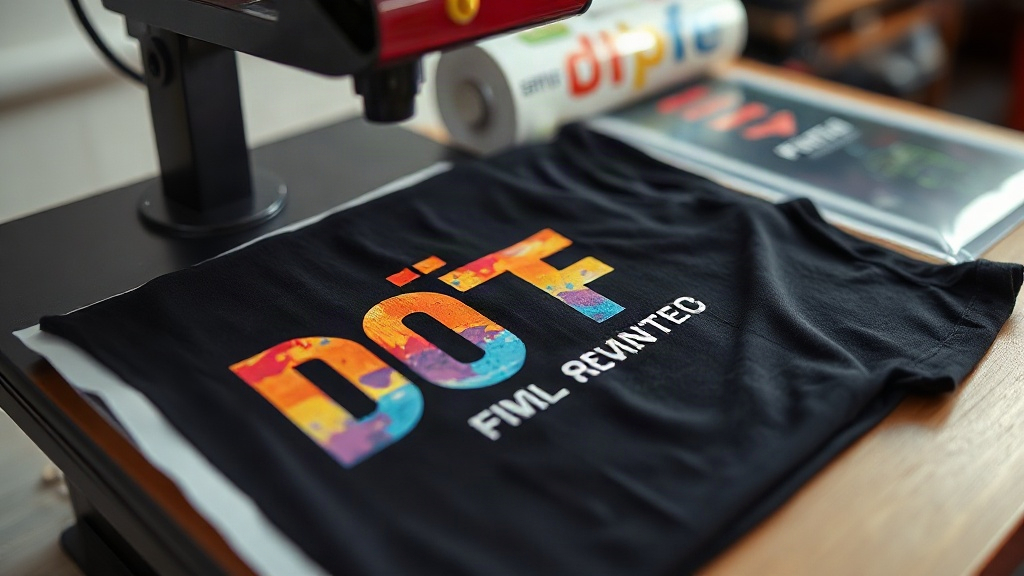
If you've been exploring custom apparel printing, you've likely encountered DTF Transfers. This innovative technology is transforming how businesses and hobbyists alike create vibrant, durable designs on fabrics. Unlike traditional methods that require specific materials or extensive setup, DTF transfers offer a versatile solution that works on almost any fabric, from cotton to polyester blends. In this guide, we'll dive deep into what DTF transfers are, why they're gaining popularity, and how you can apply them like a pro.
What Are DTF Transfers?
DTF stands for Direct to Film. It's a printing process where your design is printed onto a special film using specialized inks, then coated with a powder adhesive. Once the design is printed and powdered, it's cured and ready to be transferred onto a garment using a heat press. The result is a soft, stretchable print that bonds permanently to the fabric.
The magic of DTF lies in its simplicity and versatility. You can print intricate, full-color designs without the need for color separations, and you can apply them to a wide range of materials. Whether you're working with cotton, polyester, nylon, or even leather, DTF transfers deliver consistent, high-quality results.
How DTF Transfers Differ from Other Methods
Compared to screen printing, DTF transfers don't require screens or setup fees, making them cost-effective for small batches and one-off designs. Unlike vinyl cutting, DTF allows for complex, multi-color graphics without weeding. And unlike sublimation, DTF works on cotton and dark fabrics. This flexibility makes DTF a game-changer for custom apparel.
Why Choose DTF Transfers?
There are several compelling reasons to consider DTF transfers for your next project:
- No color limitations: Print gradients, photographs, and fine details with ease.
- Fabric versatility: Works on cotton, polyester, blends, and even treated leather.
- Durability: Prints resist cracking, peeling, and fading after washing.
- Soft feel: The transfer is thin and flexible, not plasticky.
- Cost-effective for short runs: No minimums, no screens, no waste.
Whether you're a small business owner, a craft enthusiast, or a print shop looking to expand your offerings, DTF transfers provide a reliable, high-quality solution.
Step-by-Step Guide to Applying DTF Transfers
Applying DTF transfers is straightforward, but following the correct steps ensures a professional, long-lasting result. Here's how to do it:
1. Prepare Your Workspace and Materials
You'll need a heat press (or an iron with adjustable temperature), your DTF transfer, the garment, and a protective sheet (like parchment paper or Teflon). Ensure your workspace is clean and flat. Preheat your heat press to the recommended temperature, usually around 325°F (160°C).
2. Position the Transfer
Place the garment on the press. Position the DTF transfer with the printed side facing up (the design should be readable). If you're unsure, the adhesive side is the one that feels slightly tacky.
3. Press the Transfer
Cover the transfer with your protective sheet. Apply medium to firm pressure for 10-15 seconds. The exact time and temperature can vary depending on the film and ink used, so always check the instructions provided with your transfers.
4. Peel the Film
After pressing, allow the transfer to cool completely before peeling off the film. This is called a cold peel. Peel slowly and evenly, starting from one corner. If any part of the design lifts, lay the film back down and press again for a few seconds.
5. Post-Press for Durability
For added durability, cover the design with a protective sheet and press again for 5-10 seconds. This ensures the adhesive fully bonds with the fabric.
Tips for Perfect DTF Transfers
- Test on scrap fabric: Before pressing onto your final garment, do a test run to dial in temperature, pressure, and time.
- Use the right pressure: Too little pressure and the design won't adhere; too much and it may spread or distort.
- Cool completely before peeling: Peeling while hot can cause the design to stretch or tear.
- Store transfers properly: Keep unused transfers in a cool, dry place away from direct sunlight.
- Wash inside out: To prolong the life of your print, wash garments inside out in cold water and avoid harsh detergents.
Common Applications of DTF Transfers
DTF transfers are used across a wide range of industries and personal projects. Here are some popular uses:
- Custom t-shirts: Perfect for family reunions, team uniforms, and event merchandise.
- Activewear: The stretchable nature of DTF prints makes them ideal for leggings, sports jerseys, and yoga pants.
- Denim jackets: Add bold graphics to denim without the stiffness of traditional screen printing.
- Canvas bags: Personalize tote bags with detailed designs.
- Corporate swag: Create branded apparel for employees and clients.
Whatever your project, DTF transfers offer a level of detail and durability that's hard to beat.
Frequently Asked Questions About DTF Transfers
How long do DTF transfers last?
With proper application and care, DTF transfers can last as long as the garment itself. They resist cracking, peeling, and fading through dozens of washes. Following the washing instructions (inside out, cold water, no bleach) will maximize longevity.
Can I use DTF transfers on dark colors?
Absolutely. Unlike sublimation, DTF transfers include a white ink layer that makes designs pop on dark fabrics. You can print vibrant colors on black, navy, or any dark material without worrying about the design getting lost.
Do I need a special printer for DTF transfers?
Yes, DTF printing requires a dedicated DTF printer that uses pigment inks and a special film. However, if you're not ready to invest in a printer, you can purchase pre-printed DTF transfers from suppliers like DTF Print Up and apply them with a heat press.
What fabrics work best with DTF transfers?
DTF transfers adhere well to cotton, polyester, cotton-poly blends, nylon, and leather. They are not recommended for fabrics with a high silicone content or waterproof coatings, as the adhesive may not bond properly.
How do I remove a DTF transfer if I make a mistake?
If you need to reposition or remove a DTF transfer, you can use a heat press or iron to warm the design, then peel it off while hot. Be careful not to burn the fabric. For stubborn residues, apply a small amount of adhesive remover and gently scrape.
DTF transfers are a versatile, durable, and cost-effective way to bring your designs to life on a wide range of garments. Whether you're a seasoned professional or just starting out, mastering DTF transfers opens up a world of creative possibilities. So why not give it a try? Your next custom apparel project could be your best one yet.