
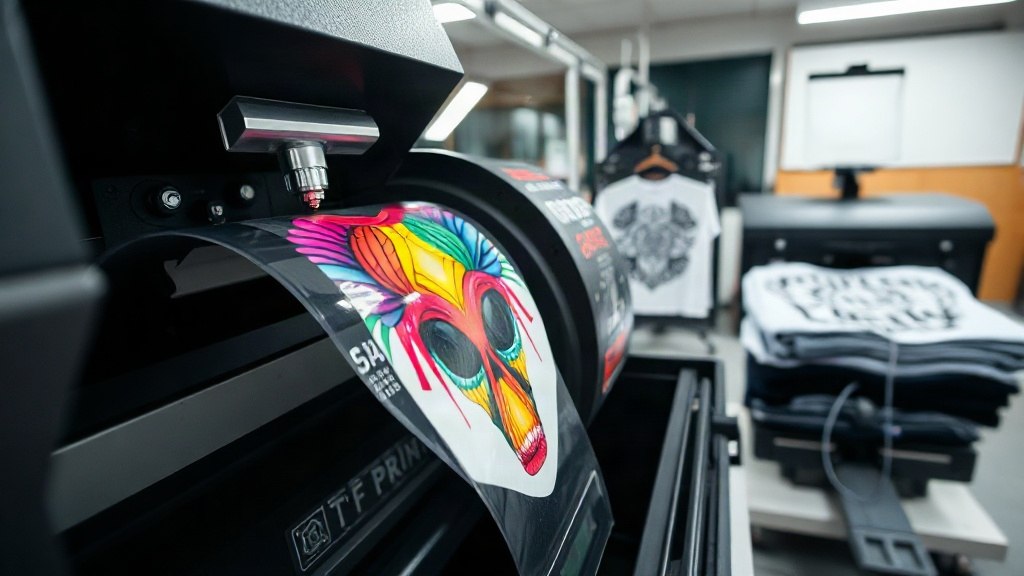
If you've been exploring custom apparel printing, you've likely encountered DTF printing. Short for Direct-to-Film, this method has rapidly gained popularity for its versatility and vibrant results. Unlike traditional techniques, DTF allows you to print intricate designs on a wide range of fabrics with remarkable durability. Whether you're a small business owner or a hobbyist, understanding DTF can open up new creative possibilities. In this guide, we'll walk you through the entire process, from design to finished product, and share practical tips to help you achieve professional-quality transfers every time.
What Exactly Is DTF Printing?
DTF printing stands for Direct-to-Film. It's a digital printing method where your design is printed onto a special film, coated with adhesive powder, and then heat-pressed onto fabric. This process differs from DTG (Direct-to-Garment) because the design is first printed onto a transfer film, not directly onto the garment. The result is a soft, stretchable print that adheres well to cotton, polyester, blends, and even nylon. Because the design is printed on film, you can prepare transfers in advance and apply them on demand, which is a game-changer for small businesses with limited space.
How Does the DTF Process Work?
The DTF workflow involves several key steps. Each one is crucial for achieving a high-quality transfer that withstands washing and wear.
Step 1: Design and Printing
First, you create your artwork using graphic design software. The design is printed onto a PET film using a DTF printer equipped with pigment inks. These printers typically use CMYK plus white ink to ensure opacity on dark fabrics. The white ink acts as a base, allowing colors to pop even on black or navy garments. After printing, the film is dusted with a thermoplastic adhesive powder. This powder is what will bond the ink to the fabric during heat application.
Step 2: Curing the Powder
Once the powder is applied, excess powder is shaken off, and the film is heated to melt the powder into a gel-like state. This step, known as curing, is usually done in a specialized oven or with a heat press. Proper curing ensures the adhesive will activate evenly when you press the transfer onto the fabric. If the powder isn't fully melted, you may experience poor adhesion or premature peeling.
Step 3: Heat Press Application
To apply the transfer, you place it on the garment with the printed side facing up. Using a heat press, you apply medium pressure at around 300-325°F (150-160°C) for 10-15 seconds. After pressing, you peel the film away while it's still hot (hot peel) or after it cools (cold peel), depending on the film type. The result is a vibrant, detailed design that's permanently bonded to the fabric.
Why Choose DTF Over Other Printing Methods?
DTF offers several advantages that make it a standout choice for both beginners and professionals.
- Fabric versatility: Unlike DTG, which works best on 100% cotton, DTF adheres to cotton, polyester, blends, and even treated nylon. This means you can print on a wide range of garments without switching methods.
- No pre-treatment: DTG requires pre-treating the garment, which adds time and cost. DTF eliminates this step, streamlining your workflow.
- Vibrant colors on dark fabrics: The white ink base ensures that colors remain bright and opaque, even on dark backgrounds.
- Durability: When applied correctly, DTF transfers withstand repeated washing without cracking or fading.
- Cost-effective for small batches: You can print one-off designs or small runs without the setup costs of screen printing.
Common Challenges and How to Overcome Them
While DTF is user-friendly, there are a few pitfalls to watch out for. Here are some common issues and their solutions.
Adhesion Problems
If your transfer peels off after washing, it's likely due to insufficient pressure, incorrect temperature, or under-cured powder. Ensure your heat press is calibrated and apply even pressure. Also, make sure the powder is fully melted during the curing step.
Color Fading
Fading can occur if the transfer is over-pressed or if the garment is washed in hot water. Always follow the recommended pressing parameters and advise customers to wash inside out in cold water.
Film Residue
Sometimes, a cloudy residue remains on the print after peeling. This is usually caused by incomplete peeling or pressing at too low a temperature. Try increasing the temperature slightly and ensure you peel at the right time (hot or cold, depending on film).
Tips for Perfect DTF Transfers
To get the best results, follow these practical tips:
- Use quality film and powder: Not all films and powders are created equal. Invest in reputable brands to avoid inconsistent results.
- Maintain your printer: Regular cleaning and maintenance prevent clogged nozzles and ensure smooth ink flow.
- Test your settings: Every heat press is different. Run test presses to find the ideal temperature, pressure, and time for your setup.
- Store transfers properly: Keep unused transfers in a cool, dry place away from direct sunlight to prevent premature curing.
- Pre-press garments: Before applying the transfer, pre-press the garment for a few seconds to remove moisture and wrinkles. This improves adhesion.
Frequently Asked Questions About DTF Printing
Can I use DTF on any fabric?
DTF works on a wide range of fabrics, including cotton, polyester, blends, and nylon. However, fabrics with a heavy weave or coating may require special handling. Always test on a swatch first.
How long do DTF transfers last?
When applied correctly, DTF transfers can last as long as the garment itself. They withstand dozens of washes without cracking or fading if you follow care instructions.
Do I need a special printer for DTF?
Yes, you need a DTF printer that uses pigment inks and has a white ink channel. Converted printers are available, but dedicated DTF printers offer better reliability.
Is DTF printing cost-effective for small businesses?
Absolutely. DTF has a low entry cost compared to other methods, and you can print on demand, reducing inventory waste. It's ideal for small businesses and startups.
What's the difference between DTF and DTG?
DTF involves printing on a film and transferring to fabric, while DTG prints directly onto the garment. DTF is more versatile with fabrics and doesn't require pre-treatment, but DTG can be faster for large runs on cotton.
With its flexibility, durability, and vibrant output, DTF printing is a powerful tool for anyone in the custom apparel industry. By mastering the process and avoiding common mistakes, you can produce professional-grade transfers that impress your customers and grow your business.