
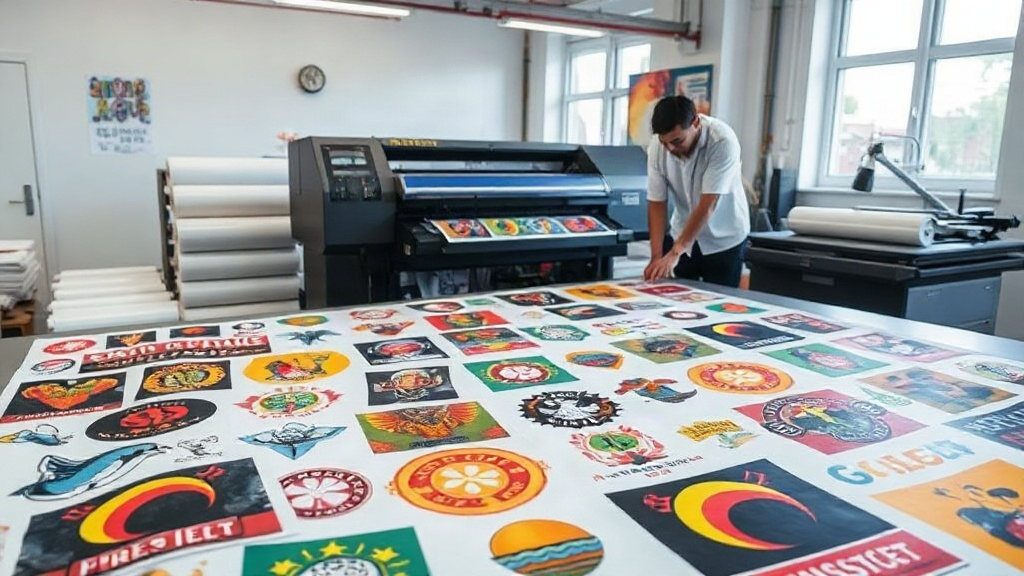
If you're in the custom apparel business, you've likely heard about DTF printing. It's a game-changer for producing vibrant, durable transfers on various fabrics. But did you know that you can multiply your efficiency by using a DTF gangsheet? This method allows you to print multiple designs on a single sheet, saving time, money, and effort. In this guide, we'll dive deep into what a DTF gangsheet is, why it's essential for your shop, and how to create and order one like a pro.
What is a DTF Gangsheet?
A DTF gangsheet is a large sheet of DTF transfer film that contains multiple designs printed together. Instead of printing each design individually, you arrange them on a single sheet, maximizing the use of the film and reducing waste. This is similar to gang sheets in screen printing or sublimation, but tailored for DTF technology. The sheet is typically produced using a DTF printer that prints the designs onto a special film, which is then coated with adhesive powder and cured. When you're ready to apply, you cut out each design and heat press it onto your garment.
Why Use a DTF Gangsheet?
The primary reason is efficiency. By grouping designs, you minimize the downtime between prints and make the most of your printer's capacity. For small businesses or print-on-demand shops, this means faster turnaround times and happier customers. Additionally, gangsheets reduce material costs because you're using less film and powder per design. It's also a great way to organize your production: you can print a batch of orders in one go, then cut and press as needed.
Benefits of DTF Gangsheets for Your Business
Let's explore the key advantages that make DTF gangsheet a must-have in your printing arsenal.
- Cost Savings: By maximizing film usage, you cut down on waste and lower your cost per transfer. This is especially important if you're printing many small designs.
- Time Efficiency: Printing multiple designs at once means fewer setups and less monitoring. You can produce a large batch in a fraction of the time.
- Consistency: When designs are printed on the same sheet, they undergo identical conditions, ensuring consistent color and quality across the board.
- Scalability: Whether you have a rush order of 50 shirts or a mix of different designs, gangsheets allow you to scale up without scaling your workload.
- Versatility: You can combine different sizes and designs on one sheet, making it perfect for sample packs or custom orders.
How to Create a DTF Gangsheet
Creating a gangsheet involves a few steps, from design preparation to printing. Here's a breakdown:
1. Design Preparation
Start by collecting all the designs you want to include. Ensure they are in a high-resolution format (300 DPI or higher) with transparent backgrounds. Use graphic software like Adobe Photoshop or Illustrator to arrange them on a canvas that matches the width of your DTF film roll (commonly 13, 17, or 24 inches). Leave a small gap between designs for easy cutting. Remember to mirror the designs if your printer requires it (most DTF printers print mirrored).
2. Printing and Powdering
Load the film into your DTF printer and print the gangsheet. After printing, apply hot melt adhesive powder evenly over the wet ink. Shake off excess powder, then cure the sheet in a heat press or conveyor oven according to your powder's specifications. This step is crucial for the transfer's durability and stretchability.
3. Cutting and Pressing
Once cured, you can cut out each design. Use scissors or a cutting machine for precision. When ready to apply, heat press the transfer onto your garment at the recommended temperature and pressure (typically 300-325°F for 10-15 seconds). Peel the film off either hot or cold, depending on the film type.
Ordering DTF Gangsheets from a Service
If you don't have a DTF printer, you can order gangsheets from a professional service like DTF Print Up. Here's what to consider:
- File Setup: Provide your designs in a single file with proper spacing. Many services offer templates to help you arrange them.
- Film Width: Choose the width that fits your designs best. Wider rolls accommodate more designs but may cost more.
- Quantity and Turnaround: Decide how many gangsheets you need and check the turnaround time. Rush options are often available.
- Quality: Look for services that use high-quality films and powders for vibrant, long-lasting transfers.
Common Mistakes to Avoid with DTF Gangsheets
Even seasoned printers can make mistakes. Here are pitfalls to watch out for:
- Overcrowding: Packing too many designs can lead to cutting errors and ink bleeding. Leave adequate space.
- Incorrect Mirroring: Forgetting to mirror designs results in reversed prints. Always double-check.
- Insufficient Powdering: Uneven powder application causes poor adhesion. Ensure full coverage.
- Improper Curing: Under-curing leads to washing off; over-curing makes the transfer brittle. Follow guidelines.
- Ignoring Film Direction: Some films have a printable side; printing on the wrong side ruins the sheet.
Maximizing Your DTF Gangsheet Efficiency
To get the most out of your gangsheets, consider these tips:
- Plan Your Layout: Use nesting software to arrange designs tightly without overlapping.
- Batch Similar Jobs: Group orders by color profile or fabric type to streamline pressing.
- Maintain Your Printer: Regular cleaning and maintenance prevent clogs and ensure consistent output.
- Test First: Always do a test press with a new film or powder to calibrate your heat press.
- Store Properly: Keep unused transfers in a cool, dry place to avoid moisture damage.
Frequently Asked Questions
What is the maximum size for a DTF gangsheet?
The maximum size depends on your printer's width and the length of the film roll. Common widths are 13", 17", and 24", but you can print sheets as long as you need, limited by your printer's capabilities and software. For example, a 24" wide roll can produce a gangsheet several feet long.
Can I mix different designs on one gangsheet?
Absolutely! That's the whole point. You can combine any designs, sizes, and colors on a single sheet, as long as they fit within the printable area. This is perfect for printing a variety of shirt sizes or a sampler pack.
How do I price DTF gangsheets for my customers?
Pricing can be based on the total square inches of the sheet or per design. Many printers charge by the linear inch of film used. Factor in your costs for film, powder, ink, and labor, then add your profit margin. Offering tiered pricing for larger sheets can attract more business.
What fabrics can I apply DTF transfers to?
DTF transfers work on a wide range of fabrics, including cotton, polyester, blends, nylon, and even leather. They adhere well to both light and dark materials, making them extremely versatile.
How long do DTF gangsheet transfers last?
When properly applied and cared for, DTF transfers can last as long as the garment itself. Wash inside out in cold water and avoid bleach and high heat in the dryer to extend the life of the print.
Conclusion
Mastering the DTF gangsheet can transform your printing business. It's a smart way to save resources, speed up production, and deliver high-quality custom apparel. Whether you print in-house or order from a service, understanding the ins and outs of gangsheets will give you a competitive edge. So why not give it a try? Your bottom line will thank you.