
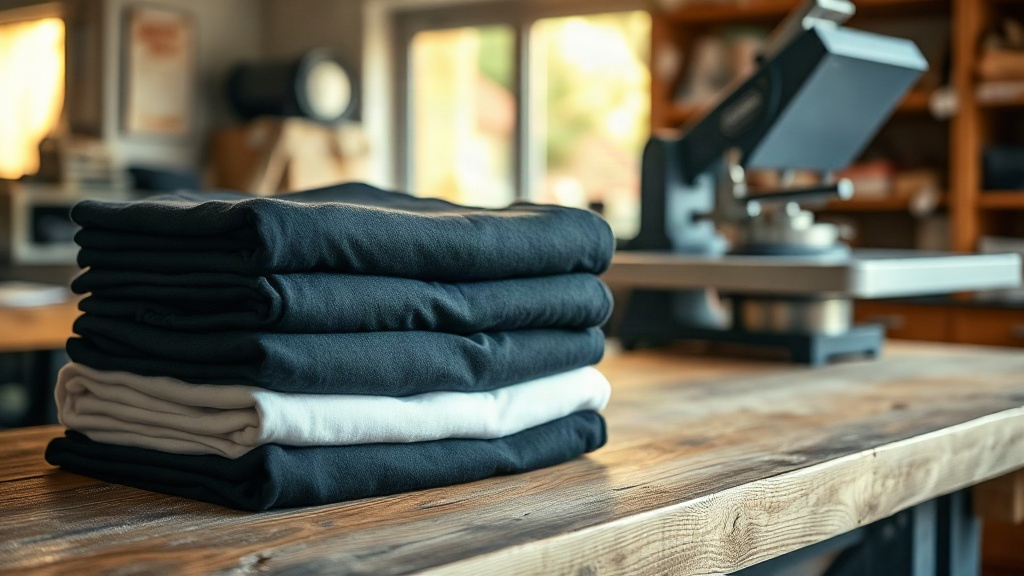
If you have spent any time around a screen printing shop or a small streetwear label, you have probably handled a shaka wear tee without realizing it. The blank has a specific feel: dense, slightly stiff out of the bag, with a boxy cut that sits away from the body instead of clinging to it. That combination is exactly why so many decorators keep a stack of them near the press. For anyone running DTF transfers, the question is not whether Shaka blanks look good, but whether the fabric and finish will let a transfer bond properly and survive a wash cycle or twenty. The short answer is yes, but the details matter more than most people expect.
What Shaka Wear Actually Is
Shaka Wear started as a Los Angeles based apparel operation focused on heavyweight basics. The brand built its reputation on tees, fleece, and tanks that feel closer to workwear than to the thin fashion blanks sold in big box stores. Most of the lineup sits in the 6 to 7 ounce range for jersey knits, with fleece pushing past 10 ounces. That weight is the entire point. A heavier cotton yarn creates a fabric with more body, less show through, and a surface that resists the kind of rippling you see on cheap blanks after a few washes.
The construction details back this up. Shoulder seams are taped, hems are double stitched, and the neck ribbing is thicker than what you find on budget alternatives. None of this is glamorous, but it is the reason a shaka wear tee can be worn as a standalone piece and not just as a canvas for a print.
Where the Brand Fits in the Market
There is a wide gap between promotional blanks that cost a couple of dollars and premium cut and sew garments that cost twenty or more. Shaka occupies the middle of that gap. It is priced for small brands that want a retail feel without retail pricing, and for print shops that need consistency across reorders. If you have ever had a client complain that the replacement shirts felt different from the first batch, you understand why consistency matters more than a few cents per unit.
Why DTF Printers Gravitate Toward These Blanks
DTF transfer film adheres best to surfaces with a tight, even weave and minimal surface treatment. Heavyweight cotton like the kind Shaka uses gives the adhesive a stable substrate. The fabric does not stretch as much during pressing, which reduces the chance of the transfer cracking along the edges later. On a lighter, looser knit, the garment can shift under the heat press and you end up with a print that looks fine on day one and starts to lift after a month.
There is also the matter of color. Shaka runs a deep inventory of solid, saturated shades, including the blacks and navy tones that show off bright DTF inks best. White transfers on a true black garment pop in a way they simply do not on a washed out charcoal. For anyone selling custom apparel, that visual contrast is part of the product.
Fabric Weight and Press Settings
Heavier fabric absorbs more heat, so press settings may need a small adjustment compared to a standard 5.3 ounce tee. A common starting point is 320 to 340 degrees Fahrenheit for 15 to 20 seconds with medium to firm pressure. Let the garment cool completely before peeling the film, and if you are pressing a large design, consider a second short press with a cover sheet to fully set the adhesive. Always test on a scrap piece from the same dye lot before running a full order.
Choosing the Right Style for Your Project
Shaka offers several silhouettes, and picking the wrong one is the most common mistake new buyers make. The classic tee is a safe default, but the boxy and oversized cuts are what most streetwear focused customers ask for.
- Classic crew neck tee: A straightforward fit that works for uniforms, event merch, and everyday retail.
- Oversized and boxy tees: Dropped shoulders and a wider body, ideal for bold back prints and full front graphics.
- Long sleeve options: Good for layered looks and colder season drops, though the sleeve area needs careful pressing.
- Fleece and hoodies: Heavier, warmer, and best reserved for transfers that are designed for high pile fabrics.
- Tank tops: Popular for summer collections and gym related branding.
Match the blank to the design, not the other way around. A delicate line art graphic can get lost on a heavy oversized body, while a large blocky logo looks undersized on a slim cut.
Fit Notes That Surprise First Time Buyers
Shaka tends to run true to size in the classic cuts, but the oversized styles are intentionally generous. If your customer normally wears a medium and wants a relaxed look, a medium oversized tee will likely be enough. Ordering up a size often results in a garment that swallows the wearer. When in doubt, request a sample before committing to a bulk order.
Washing, Care, and Longevity
A well pressed DTF transfer on a heavyweight cotton tee can last through dozens of wash cycles if it is handled correctly. Turn the garment inside out, use cold water, and avoid high heat in the dryer. Fabric softener is worth skipping entirely because it leaves a residue that can weaken the bond over time. If you are selling to end customers, a small care card in the package reduces returns and complaints dramatically.
Shaka blanks themselves hold their shape well, but like any cotton garment they will shrink slightly on the first hot wash. Pre shrinking is an option for brands that want a guaranteed fit, though it adds a step to production.
Common Questions About Shaka Wear
Is Shaka Wear good for DTF printing?
Yes. The heavyweight cotton weave gives DTF adhesive a stable surface, and the dense fabric reduces stretching during pressing. Use medium to firm pressure and let the transfer cool before peeling for the best bond.
How does Shaka Wear sizing compare to other blank brands?
Classic cuts run true to size, while oversized and boxy styles are intentionally roomier. Compare the chest and body length measurements on the size chart rather than relying on the label alone, especially if you are switching from a lighter fashion blank.
What is the fabric weight of a Shaka Wear t-shirt?
Most jersey tees fall in the 6 to 7 ounce range, which is noticeably heavier than standard 5.3 ounce blanks. Fleece pieces are heavier still, often above 10 ounces.
Can I use Shaka blanks for a small clothing brand?
They are a popular choice for small labels because the weight and finish read as premium without a premium price. Consistent dye lots also make reorders easier to manage as a brand grows.
Do DTF transfers crack on heavyweight cotton?
Cracking usually comes from under pressing or stretching the print while it is still warm. Follow the transfer supplier's temperature and time recommendations, use even pressure, and cool peel whenever the film allows it.